Black horizontal rounded line on a white background

Commercial HVAC Maintenance

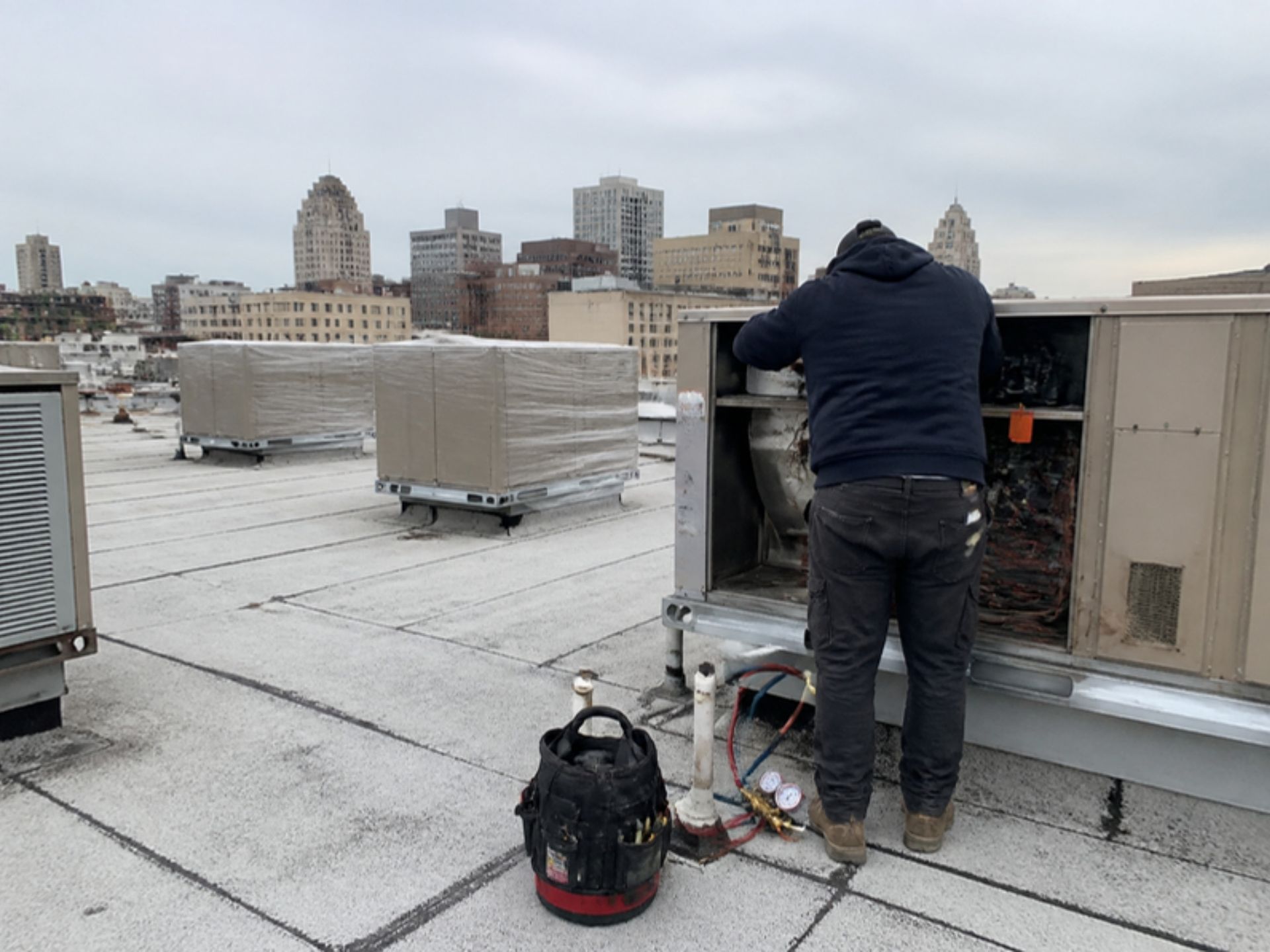
Starting January 1, 2026, EPA leak repair rules cover comfort cooling equipment holding 15 pounds or more of most HFC refrigerants, requiring action once the annual leak rate tops 10%, which makes routine inspections more valuable than ever. Maverick Ambitions HVAC provides commercial HVAC maintenance in Newark, NJ, servicing rooftop units, split systems, makeup air units, and ductless equipment with scheduled filter, belt, coil, economizer, gas heat, and refrigerant checks for offices, restaurants, and retail properties across the area.
Technician repairing an outdoor air conditioner unit with tools and hoses
Technician repairing a white air conditioner unit with tools on a tiled floor

PLANNED MAINTENANCE COSTS LESS THAN UNPLANNED DOWNTIME.

Commercial equipment runs long hours, often 6 or 7 days a week, pulling outdoor air loaded with dust, pollen, and kitchen grease through its filters and coils. Belts stretch, bearings wear, contactors pit, and economizer linkages seize. Without scheduled attention, those small issues stack up until a unit fails on the hottest Saturday of the summer, right when the business can least afford it. Our maintenance plans catch that wear on a predictable schedule, so repairs become planned line items in your budget instead of emergency calls that interrupt customers, staff, and tenants at the worst moment.
Black horizontal line on a white background.
COMMERCIAL HVAC MAINTENANCE

PREDICTABLE COMFORT AND PREDICTABLE BUDGETS, ALL YEAR LONG.

Facility managers want two things from HVAC: a comfortable building and no surprises. Scheduled maintenance delivers both. Equipment runs closer to its rated efficiency, small problems are caught while they are still inexpensive, and repair planning moves from crisis mode into the annual budget. Tenants and employees notice fewer hot afternoons and cold mornings, while owners notice fewer emergency invoices and longer gaps between major equipment replacements.
KITCHENS, CROWDS, AND CITY AIR CLOG COMMERCIAL EQUIPMENT FAST.
Restaurants in Newark, NJ push grease-laden air through rooftop units and makeup air equipment, while busy retail and office spaces cycle heavy occupancy through every filter. Rooftops near highways, rail lines, and the airport collect extra soot and debris on their condenser coils. We set maintenance frequency according to those real conditions, recommending more frequent filter and coil service wherever the building’s environment demands it.
SERVICE LOGS ARE PROMISES WE PUT IN WRITING.
A maintenance plan is only as good as the records behind it. Anyone who has serviced equipment for 24 years, as our licensed lead has, learns that the most useful information about a unit is its history: past failures, belt sizes, filter types, refrigerant readings, and recurring alarms. We document every visit so owners, managers, and future technicians can spot trends early and make smart decisions about repair, retrofit, or full replacement.
WHAT COMMERCIAL HVAC MAINTENANCE DELIVERS.
Black gear with weather icons: flame, heat waves, snowflake, and water drops around it
Fewer Emergency Calls
Replacing worn belts, weak capacitors, and clogged filters during scheduled visits prevents many of the failures that otherwise strike during peak heat, holiday rushes, or the coldest weeks of winter.
Black temperature-control icon with gear, heat waves, flame, snowflake, and water drop
Lower Utility Bills
Clean coils, working economizers, tight belts, and calibrated controls let equipment run efficiently, trimming electricity and gas costs across every unit on the roof and every zone in the building.
Black weather icon with gear, flame, snowflake, water drop, and heat waves
Longer Equipment Life
Regular attention to motors, compressors, heat exchangers, and electrical components reduces wear and overheating, stretching the service life of expensive rooftop units and pushing back capital replacement costs.
Black climate control icon with gear, snowflake, flame, droplet, and heat waves
Better Indoor Air Quality
Fresh filters, clean drain pans, and working outdoor air dampers reduce dust, odors, and stale air, supporting healthier conditions for the employees, customers, and tenants who occupy the space daily.
Black gear icon surrounded by fire, heat waves, snowflake, and water drops
Easier Compliance
Documented refrigerant checks, working safety controls, and inspected gas heat sections help owners respond confidently to leak rules, insurance questions, lease obligations, and the building inspections that come with owning commercial property.
Black weather control icon with gear, flames, snowflake, water drop, and heat waves
Budget Visibility
Service records showing condition trends for every unit help owners plan repairs and replacements in advance, spreading costs predictably rather than absorbing several surprise failures in a single season.
Black horizontal rounded bar on a white background

our services

OUR COMMERCIAL MAINTENANCE WORK.
Every commercial plan is built around the equipment on site, the building’s operating hours, and the environment on the roof. Each visit typically includes the following services, adjusted for the season and equipment type.
Hands adjusting a white ceiling fixture with a screwdriver against a concrete ceiling
FILTER SERVICE
Filter Replacement Programs

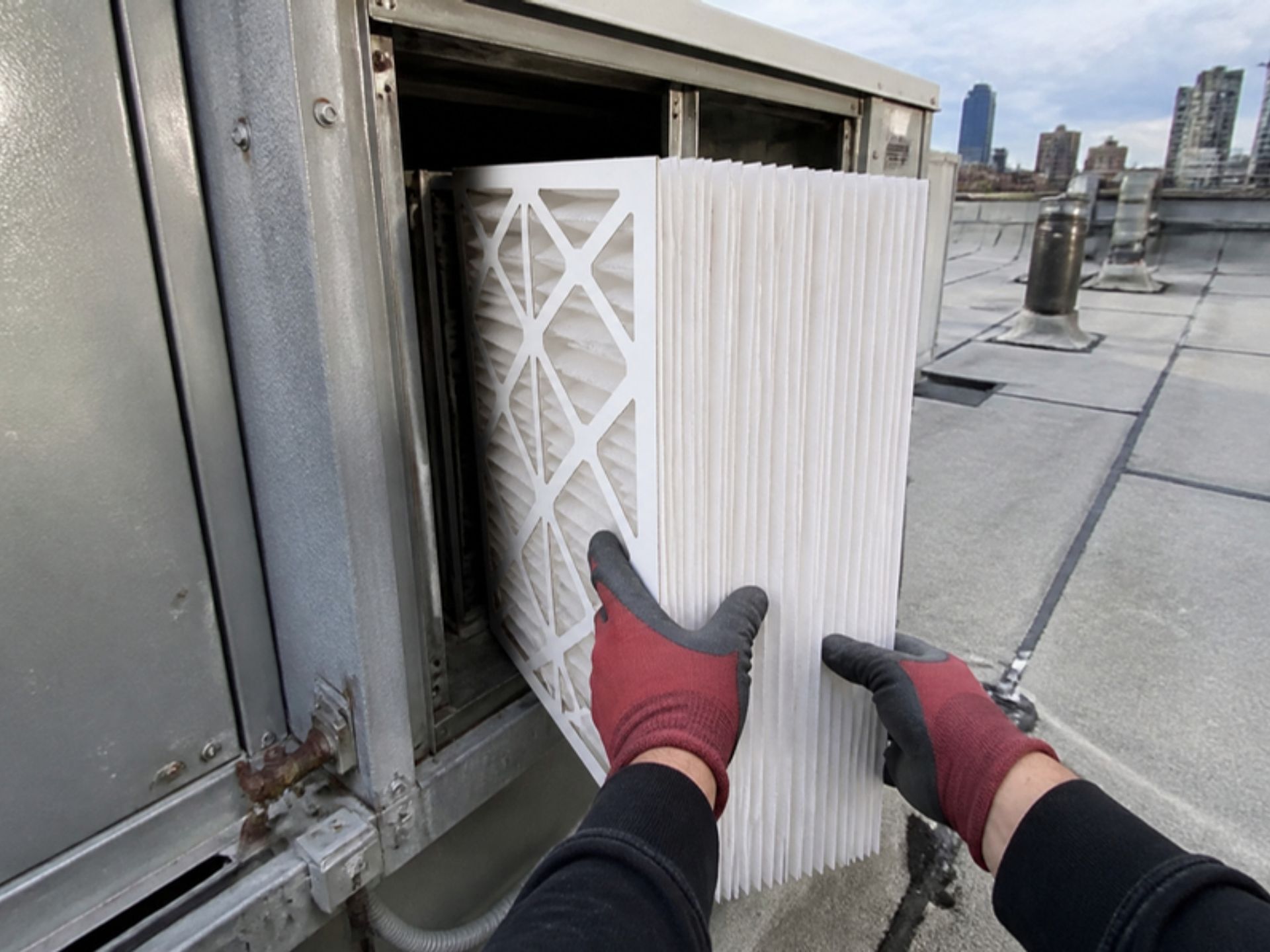
Filters are replaced on a schedule matched to occupancy and environment, using the correct size and efficiency rating for each unit, so airflow stays strong and coils stay protected between visits.
Technician kneeling by outdoor HVAC unit, checking controls beside a house
COIL CLEANING
Coil and Drain Pan Cleaning

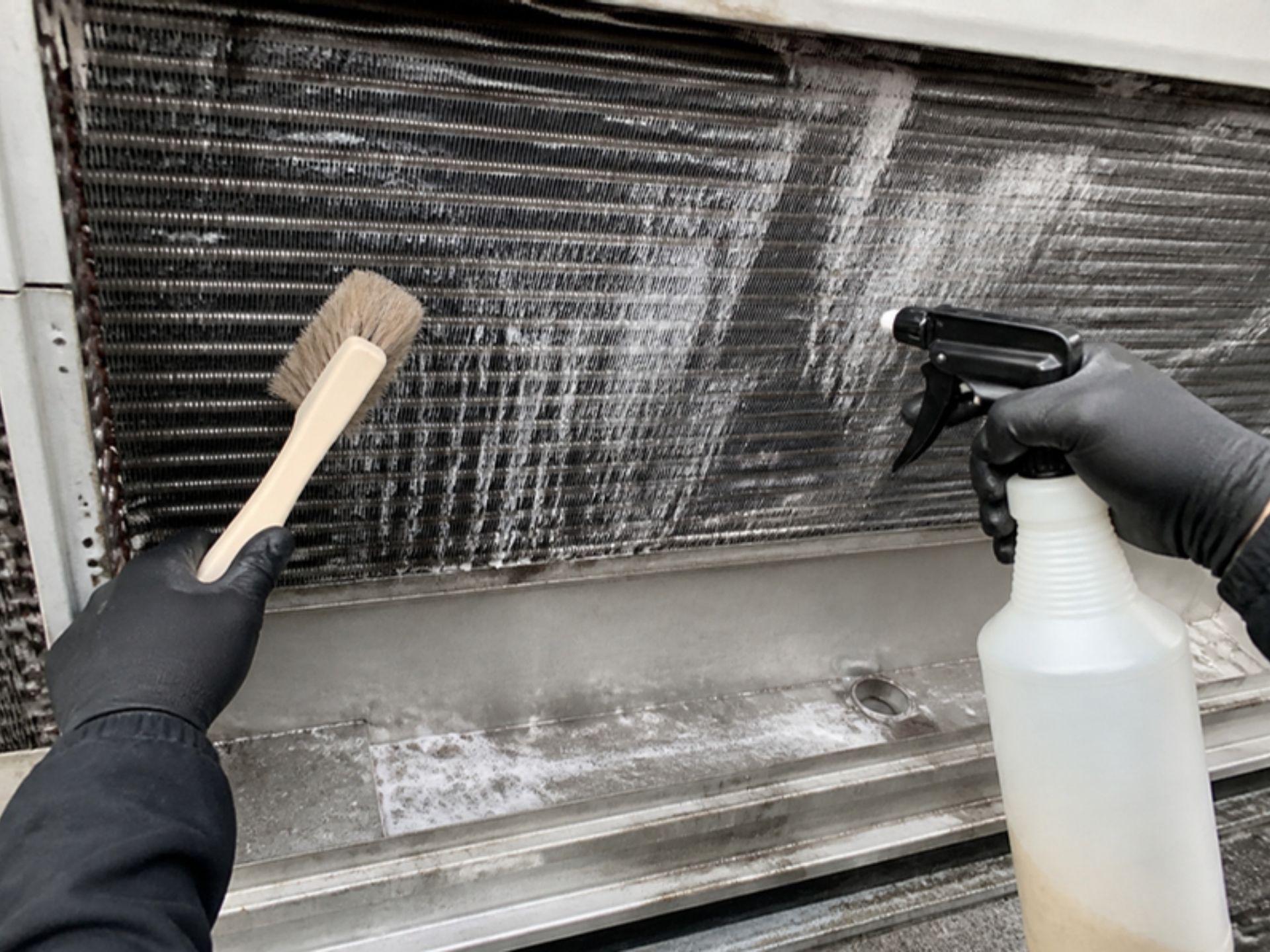
Condenser and evaporator coils are cleaned with appropriate coil cleaners, and drain pans and lines are flushed and treated, preventing high head pressure, frozen coils, ceiling water damage, and microbial growth inside the unit.
Technician installing a wall-mounted air conditioner above a window
BELTS AND MOTORS
Belt, Bearing, and Motor Service

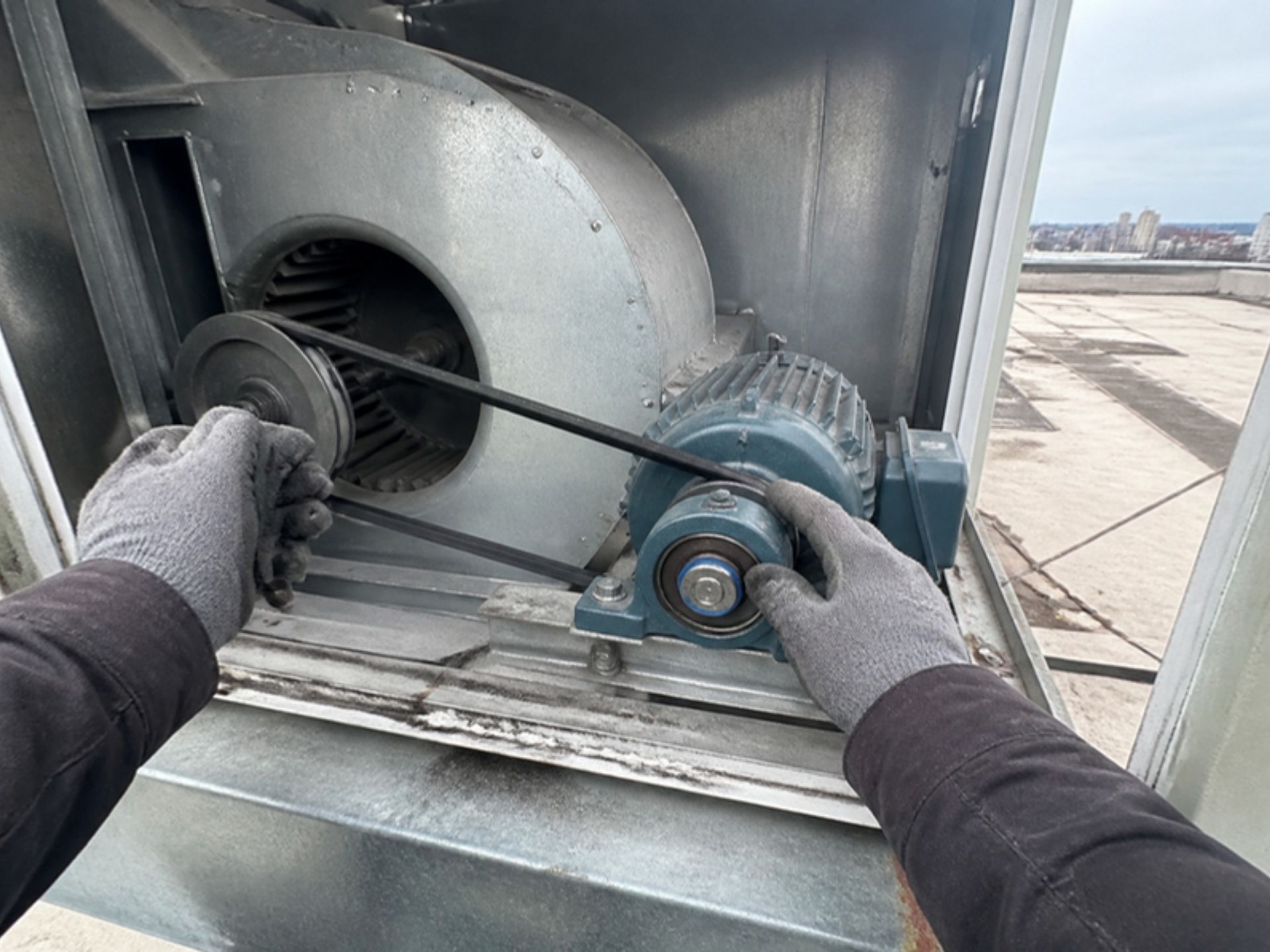
Belts are inspected, tensioned, or replaced, pulleys are aligned, and motor bearings and amp draw are checked, keeping blowers moving the right volume of air without overheating, slipping, or excessive vibration on the roof.
Worker installing ductwork in a ceiling, wearing a hooded jacket and using tools near exposed pipes
ECONOMIZER CHECKS
Economizer and Ventilation Testing

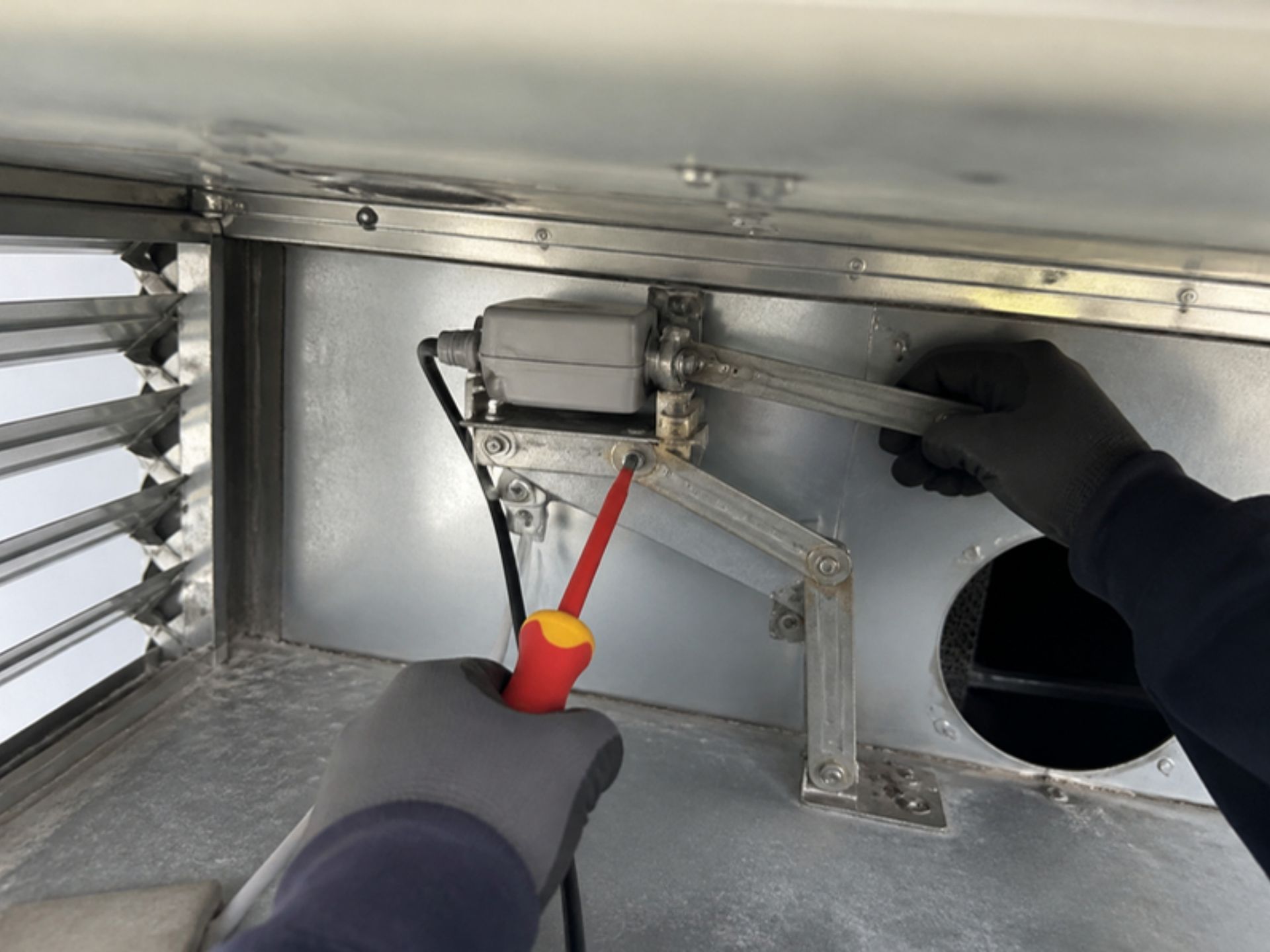
Dampers, actuators, outdoor air sensors, and control sequences are tested so economizers open for free cooling when conditions allow and close tightly when outdoor air is too hot or humid to help.
Hand using a drill to install an electrical box on a wall, with a level above it
HEATING STARTUP
Gas Heat Section Inspection

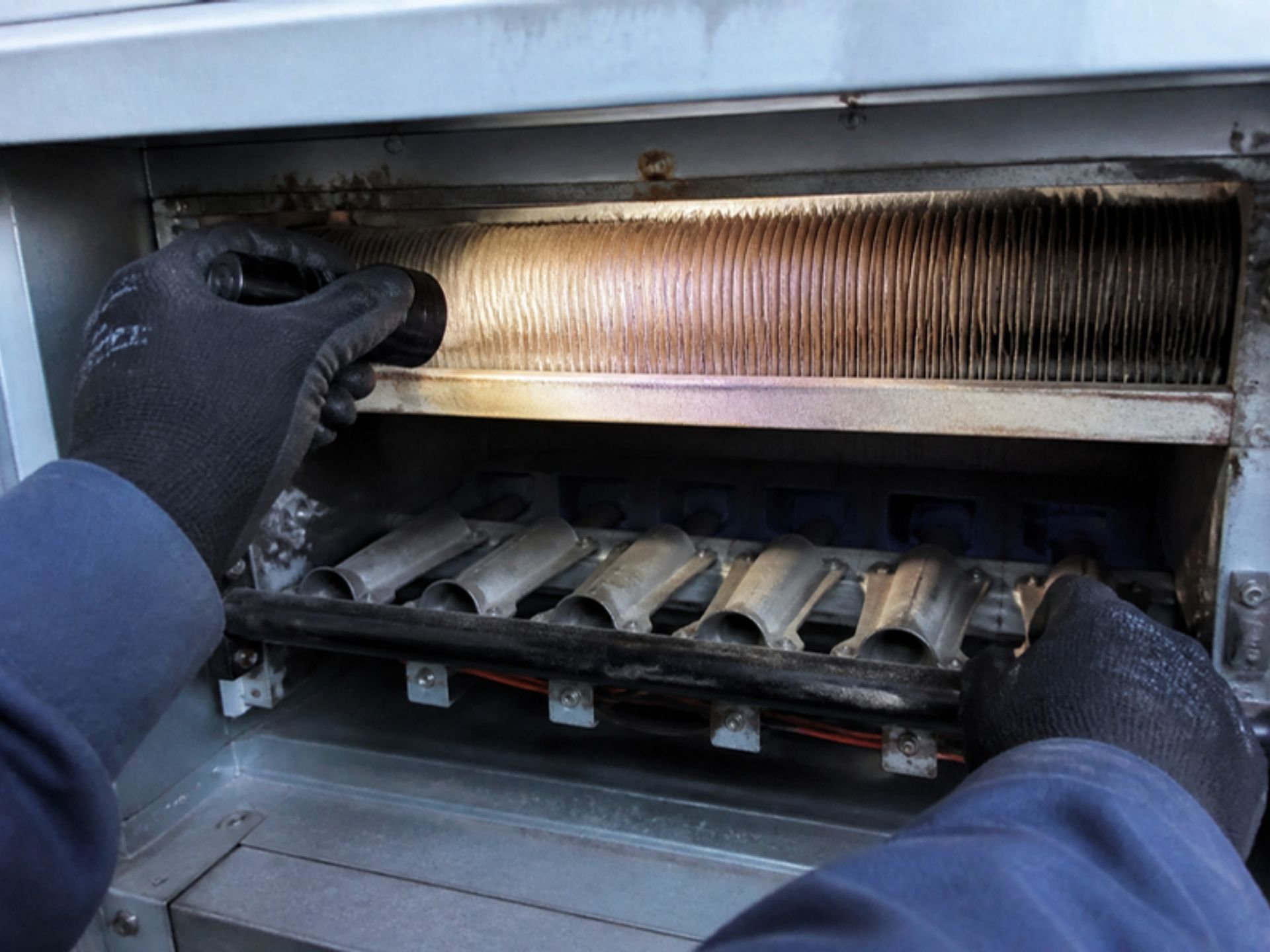
Before heating season, burners, igniters, flame sensors, inducer motors, and heat exchangers are inspected and tested, and combustion is checked so rooftop gas heat starts safely on the first cold morning.
HVAC technician replacing a furnace filter in a home utility room
REFRIGERANT CHECKS
Refrigerant and Electrical Inspection

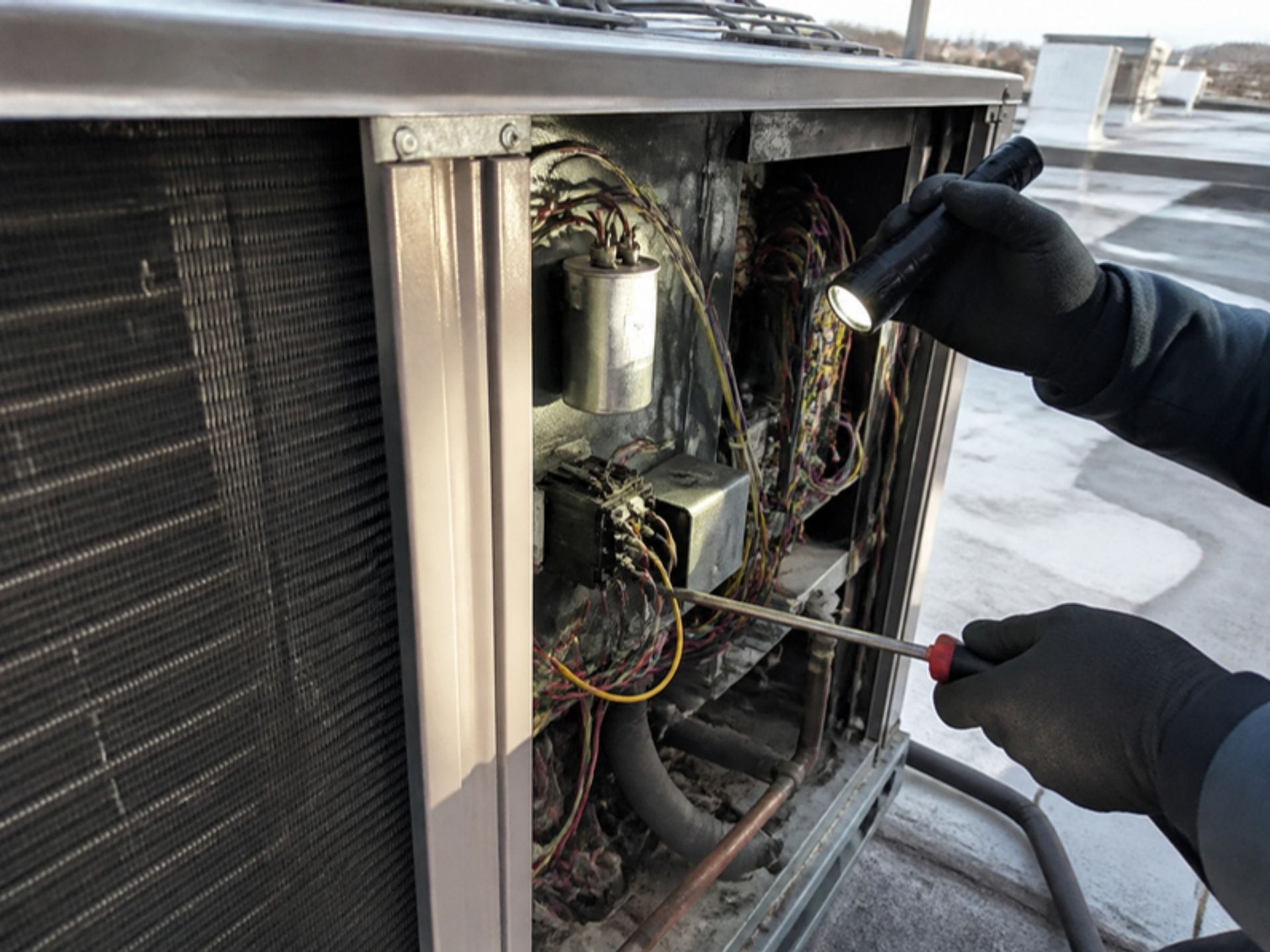
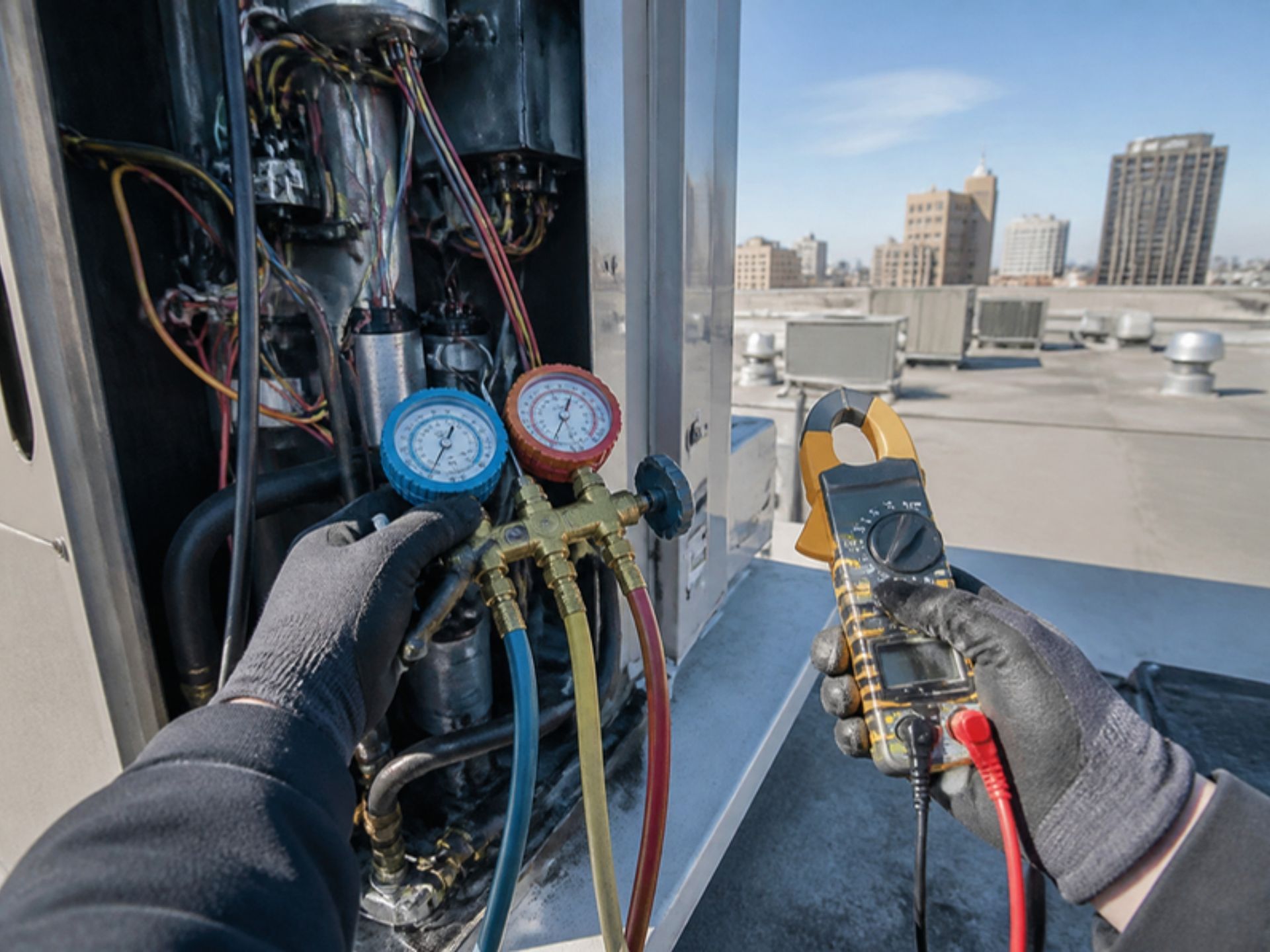
Operating pressures, superheat, and subcooling are recorded and compared over time to reveal slow leaks, while contactors, capacitors, and wiring are inspected closely for pitting, swelling, loose terminals, or heat damage.
Short black horizontal line on a white background

Real Reviews · Real Customers

WHAT OUR CLIENTS SAY.

Property managers and business owners on our maintenance schedule talk about reliable visits, organized records, and noticeably fewer emergency calls since starting service with us. Several mention how helpful our unit-by-unit notes have been when planning budgets and replacement timing for their buildings.
Short black horizontal line on a white background
FAQ

FREQUENTLY ASKED QUESTIONS.

Commercial maintenance plans vary widely in scope and value. These answers explain rooftop service needs, economizers, record keeping, priority response, seasonal changeovers, equipment life, common wear parts, and kitchen demands.

    Why do rooftop units need more frequent service than home systems?

    Commercial units run longer hours, move more outdoor air, and sit exposed on roofs year-round, so filters, belts, and coils wear faster. Maverick Ambitions HVAC often recommends quarterly visits for buildings in Newark, NJ.


    Why should economizers be checked on every maintenance visit?

    Economizer dampers, actuators, and sensors fail quietly, often sticking open or closed for months. A stuck economizer can waste energy, overload cooling, or starve the space of fresh air without triggering any obvious alarm.


    What maintenance records should a building keep?

    Keep service dates, filter sizes and changes, refrigerant readings and any refrigerant added, repairs, parts replaced, and recurring alarms for every unit. Those records reveal trends and support warranty and compliance questions.


    Do maintenance agreements include priority service?

    Many do. Agreements often include faster scheduling for repair calls, since the contractor already knows the equipment, access, and history. Confirm response terms and after-hours coverage before signing any plan.


    What happens during a seasonal changeover visit?

    In spring, technicians verify cooling operation, clean coils, and check refrigerant circuits. In fall, they inspect gas heat sections, test ignition and safety controls, and confirm that economizers and thermostats are set for heating.


    Can regular maintenance extend the life of a rooftop unit?

    Yes. Clean coils, proper airflow, healthy electrical components, and a correct refrigerant charge reduce the stress that shortens compressor and motor life, helping units reach or exceed their expected service life.


    Which components wear out first on commercial units?

    Filters and belts wear fastest, followed by contactors, capacitors, motor bearings, and economizer actuators. Tracking their condition at each visit lets you replace them before they cause an unexpected shutdown.


    Do restaurant HVAC systems need extra maintenance?

    Yes. Grease-laden air coats filters, coils, and makeup air units quickly, so kitchens often need monthly filter service and more frequent coil cleaning. Maverick Ambitions HVAC schedules restaurant maintenance in Newark, NJ accordingly.


    Black horizontal line on a white background
    HOW WE WORK

    HERE IS HOW A COMMERCIAL MAINTENANCE VISIT RUNS.

    Step-01

    WE CHECK IN ON SITE
    Every visit begins with a quick conversation with the manager or maintenance contact about comfort complaints, alarms, or changes in building use since our last visit. That context guides where we focus first on the roof.

    Step-02

    WE INSPECT EACH UNIT
    Every rooftop unit, split system, and makeup air unit on the plan is opened and inspected for filter condition, belt wear, coil cleanliness, drain function, electrical issues, and signs of water or rodent damage.

    Step-03

    WE CLEAN AND REPLACE
    Filters are replaced, coils and drain pans are cleaned, belts are adjusted or changed, and minor adjustments are made on the spot. Work is scheduled to avoid disrupting customers, tenants, or busy kitchen hours.

    Step-04

    WE TEST AND RECORD
    Refrigerant pressures, temperature split, amp draws, gas heat operation, and economizer function are tested and recorded. Comparing those readings with earlier visits reveals slow leaks and developing failures well before they strike during a busy week.

    Step-05

    WE FLAG WHAT NEEDS ATTENTION
    Repairs beyond routine maintenance are documented with photos and readings, prioritized by urgency, and quoted with a free estimate. Nothing beyond the agreed plan is ever performed without your approval first, so every invoice matches expectations.

    Step-06

    WE DELIVER THE REPORT
    After the visit, you receive a summary of every unit serviced, along with its condition, readings, and our recommendations. Those records build a clear history that supports budgeting, compliance, and smart replacement planning for years to come.