Black horizontal rounded line on a white background

Commercial HVAC Replacement

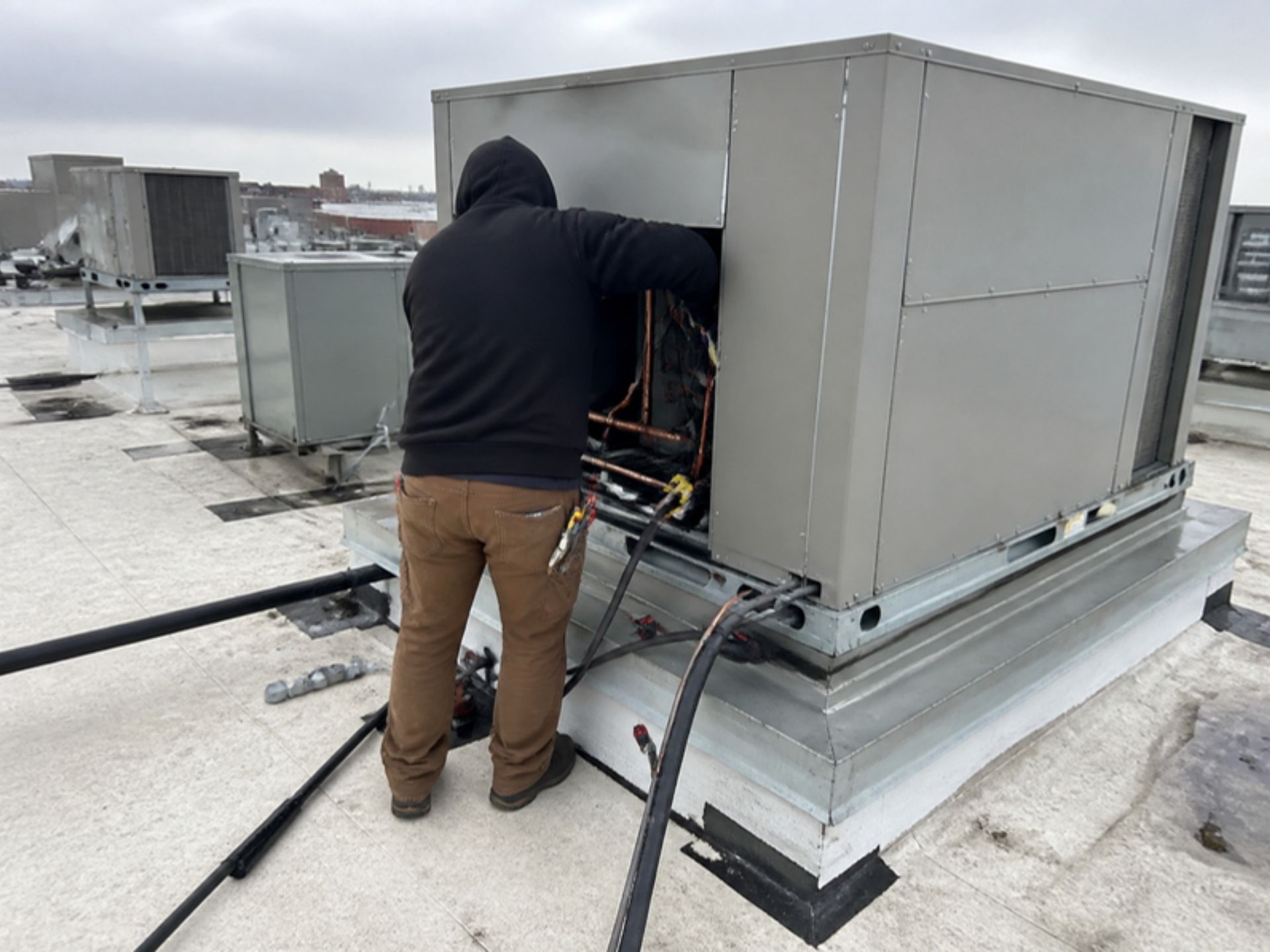
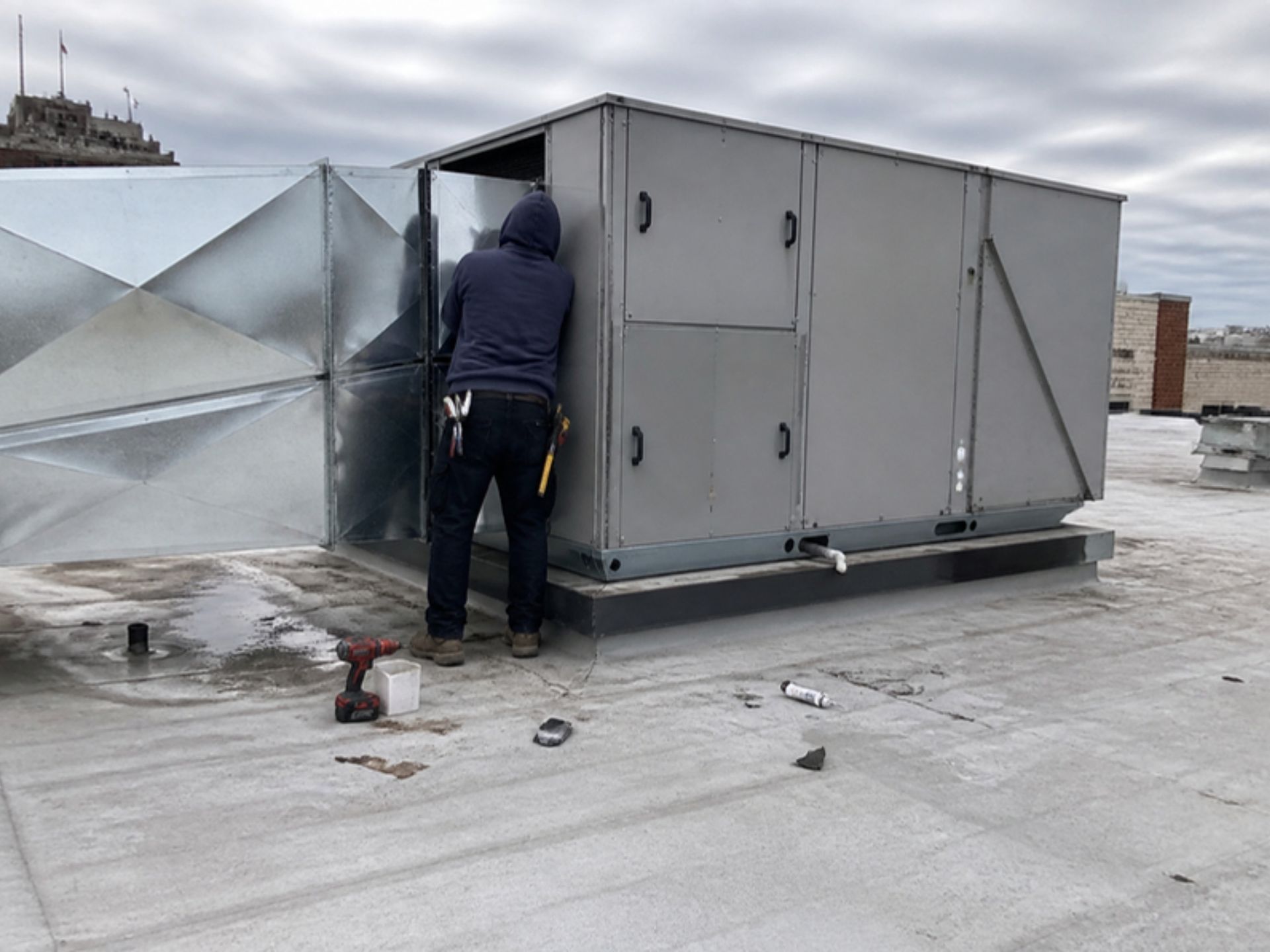
ASHRAE service life data puts the median life of a single-zone rooftop air conditioner at about 15 years, and plenty of units on older commercial roofs are running well past that mark. Maverick Ambitions HVAC handles commercial HVAC replacement in Newark, NJ, removing worn rooftop units, split systems, and makeup air equipment and installing efficient replacements, with curb adapters, crane lifts, electrical updates, and controls planned carefully around tenants, customers, and the hours your business needs to stay open.
Technician repairing an outdoor air conditioner unit with tools and hoses
Technician repairing a white air conditioner unit with tools on a tiled floor

REPAIRING A WORN-OUT UNIT CAN COST MORE THAN REPLACING IT.

An aging rooftop unit often needs a compressor one summer, a heat exchanger the next winter, and a control board after that, while its efficiency keeps sliding and its refrigerant gets harder to source. Each repair seems reasonable on its own. Added together, and combined with higher utility bills and downtime, they frequently exceed the cost of a planned replacement. We review each unit’s age, condition, repair history, and refrigerant, then show you honestly which units should be replaced now, which can wait until next season, and which still deserve a repair.
Black horizontal line on a white background.
COMMERCIAL HVAC REPLACEMENT

NEW EQUIPMENT, LOWER BILLS, AND FEWER ROOFTOP SURPRISES.

Replacing tired commercial equipment resets the clock on reliability. New units bring higher efficiency, modern economizers and controls, quieter operation, and fresh warranties, while removing the repeated failures that disrupt business. With careful planning, the change happens over a weekend or during slow hours, and employees arrive Monday to a building that simply feels better, with steadier temperatures, quieter rooms, and fresher air throughout the entire workday.
TIGHT CITY SITES AND AGING ROOFS REQUIRE CAREFUL RIGGING.
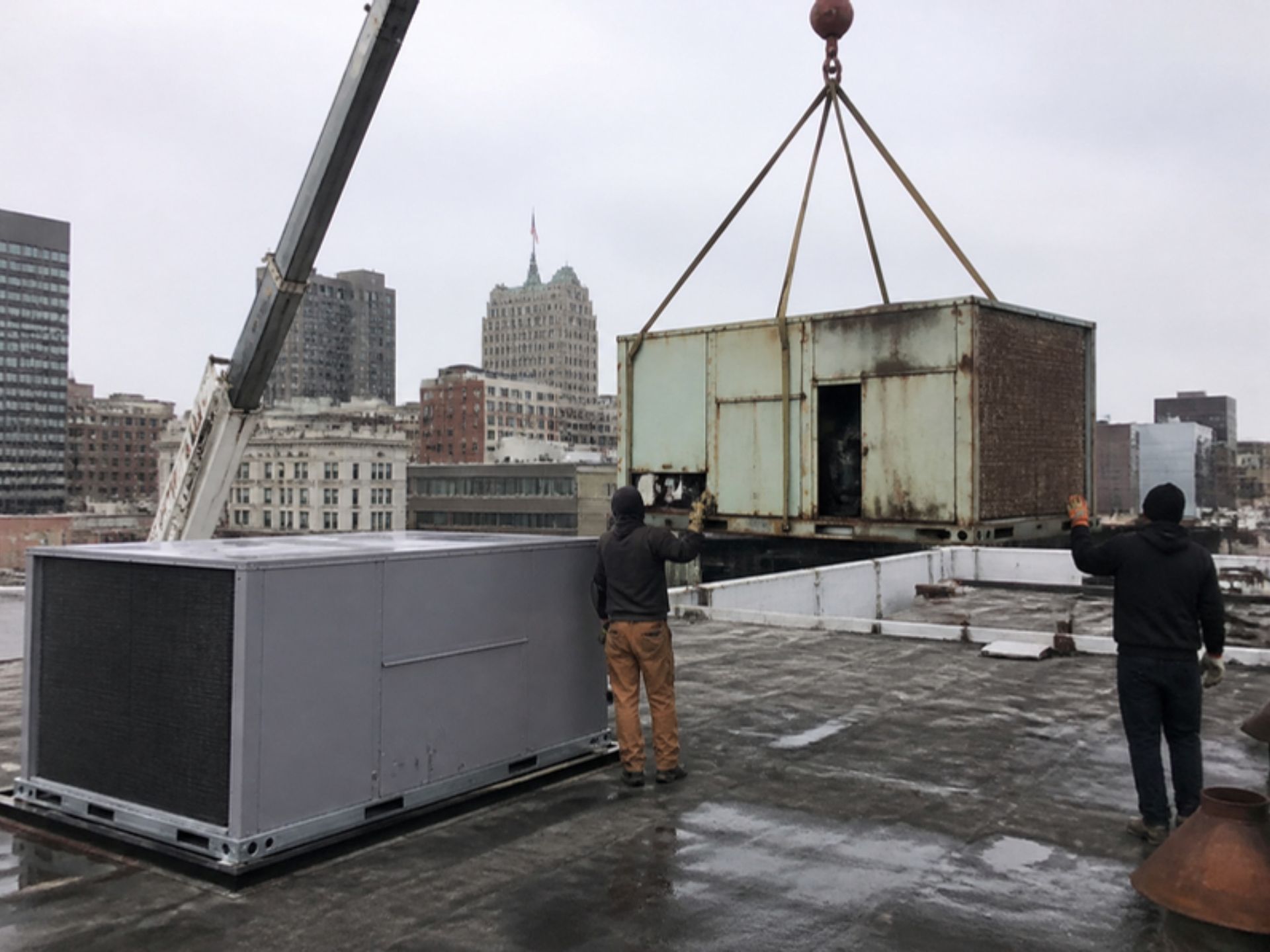
Replacing equipment on buildings around Newark, NJ often means narrow streets for crane placement, older roof structures, shared walls with neighbors, and curbs that do not match current units. We review structural concerns, crane access, street permits, and curb dimensions during the estimate, so lift day stays on schedule and the new equipment sits securely on a properly sealed curb or adapter.
CRANE DAY RUNS ON PLANNING, NOT LUCK.
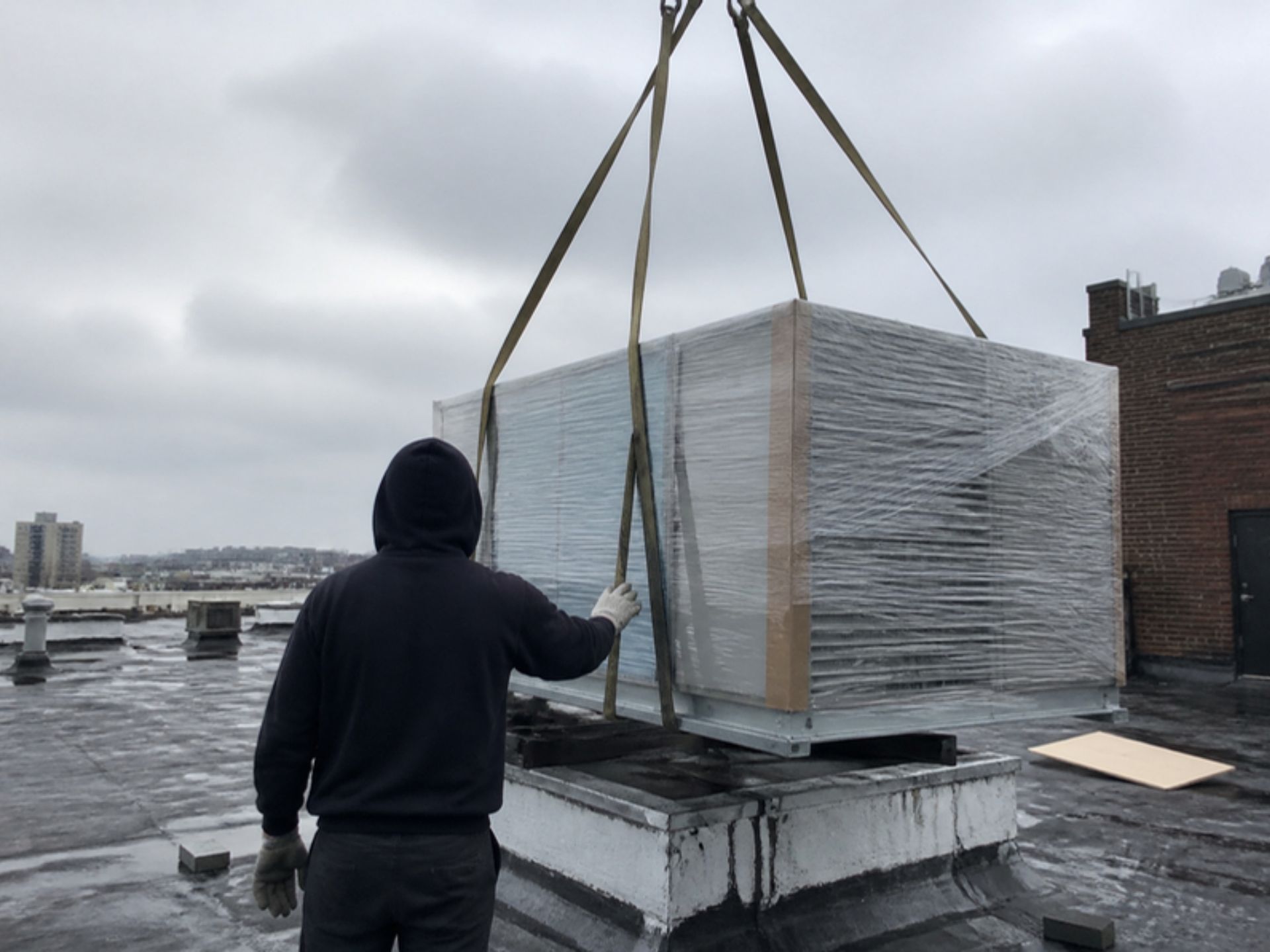
A smooth replacement depends on dozens of details lining up: equipment arriving on time, the crane positioned correctly, power and gas disconnected safely, and the curb ready for the new unit. A career spanning 24 years has shown our licensed lead which details derail projects, so he plans around them from the very start, keeping lifts efficient and businesses open with minimal interruption to customers or staff.
WHAT A COMMERCIAL HVAC REPLACEMENT DELIVERS.
Black gear with weather icons: flame, heat waves, snowflake, and water drops around it
Lower Energy Costs
Modern rooftop units with variable-speed fans, multi-stage compressors, and working economizers use noticeably less energy than worn equipment, reducing operating costs every single month the building is open for business.
Black temperature-control icon with gear, heat waves, flame, snowflake, and water drop
Reliable Operation
Replacing failing equipment ends the cycle of emergency calls and mid-season breakdowns, giving tenants, employees, and customers dependable comfort through peak summer heat and the coldest stretches of winter demand.
Black weather icon with gear, flame, snowflake, water drop, and heat waves
Current Refrigerants
New equipment uses refrigerants that remain readily available, avoiding the escalating costs and shrinking supply that make servicing older systems increasingly difficult, slow, and expensive with each passing year.
Black climate control icon with gear, snowflake, flame, droplet, and heat waves
Better Ventilation and Control
Modern economizers, demand-controlled ventilation, and smart controls deliver fresh air efficiently and let managers schedule, monitor, and adjust each unit without ever climbing a ladder to the roof hatch.
Black gear icon surrounded by fire, heat waves, snowflake, and water drops
Right-Sized Capacity
Replacement is a chance to correct oversized or undersized equipment, matching capacity to current occupancy, lighting, and use rather than to conditions from when the building first opened.
Black weather control icon with gear, flames, snowflake, water drop, and heat waves
New Warranty Protection
Fresh manufacturer warranties on compressors and major components shift the risk of early failures away from the owner, making operating budgets far more predictable for years after installation day.
Black horizontal rounded bar on a white background

our services

OUR COMMERCIAL REPLACEMENT WORK.
Commercial replacements range from a single rooftop unit to every system in a building. These are the replacement projects business owners, landlords, and property managers ask us to plan and complete most often.
Hands adjusting a white ceiling fixture with a screwdriver against a concrete ceiling
ROOFTOP SWAPS
Rooftop Unit Replacement

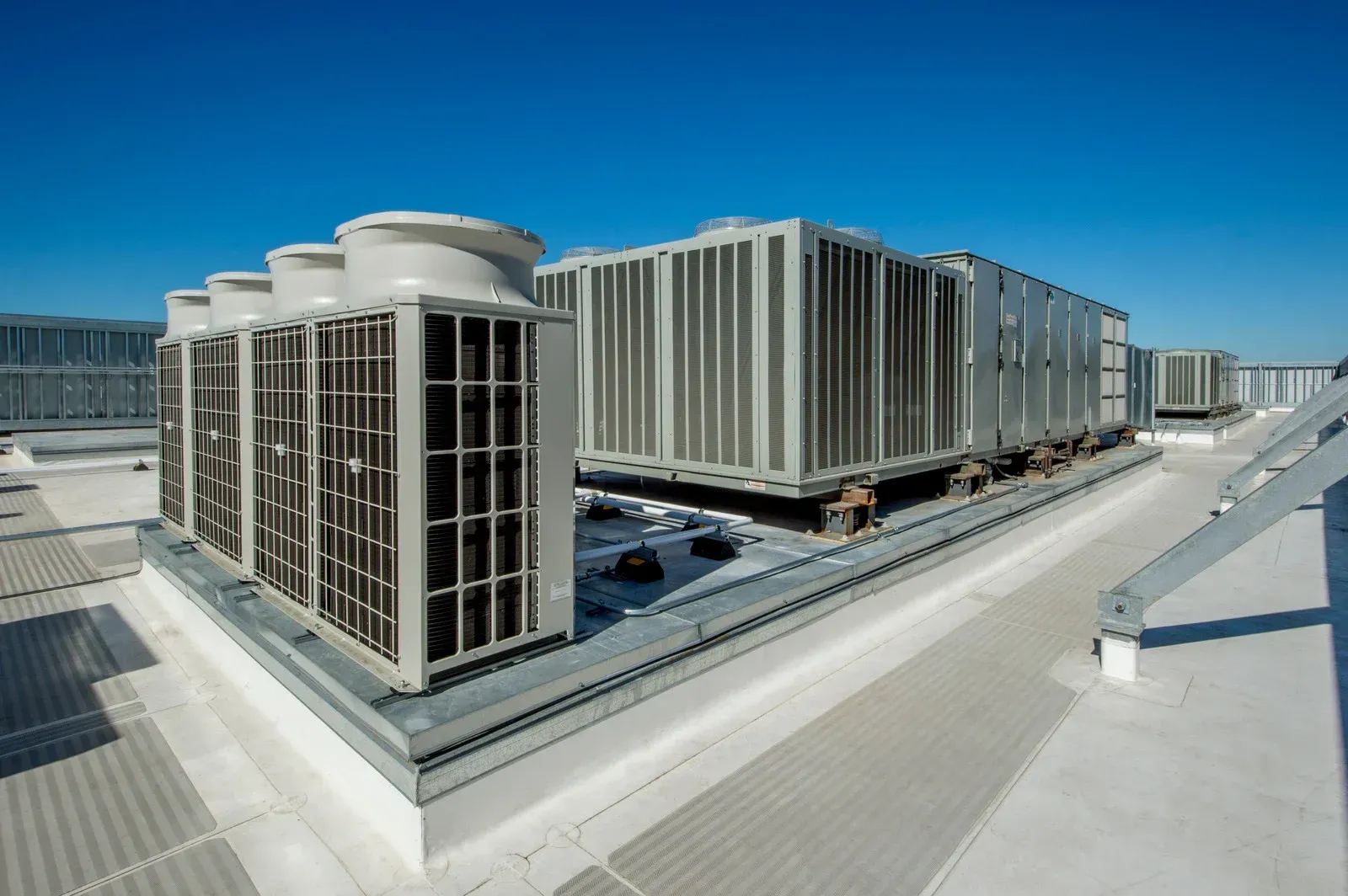
Worn rooftop units are removed by crane and replaced with efficient new models, set on existing curbs or adapters, and reconnected to ductwork, gas, power, and controls with economizers fully commissioned.
Technician kneeling by outdoor HVAC unit, checking controls beside a house
CURB ADAPTERS
Curb Adapter Installation

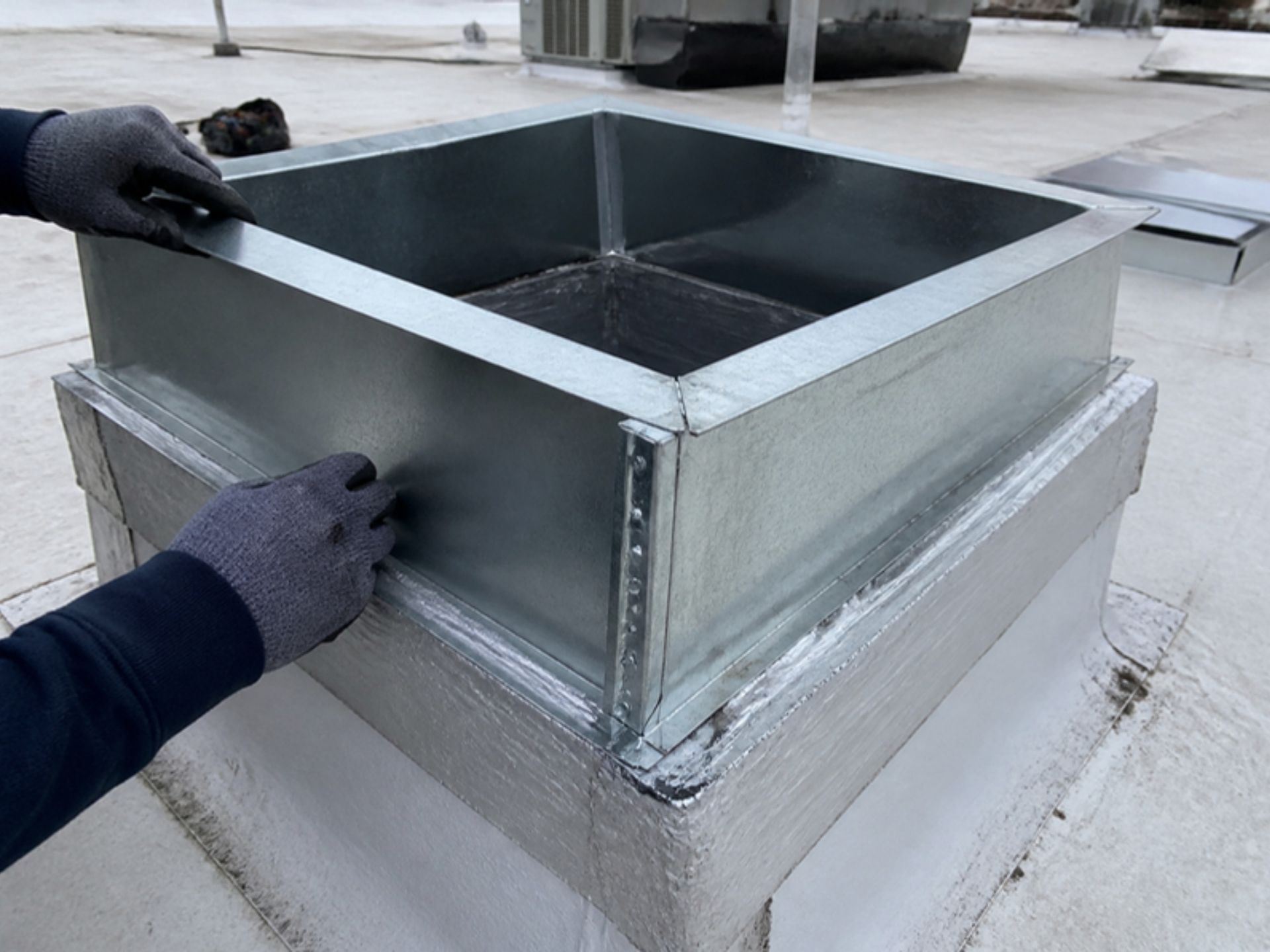
When a new unit does not match the existing curb, an adapter bridges the difference, avoiding roof cutting and new curbs while maintaining weatherproof seals and proper duct alignment beneath the unit.
Technician installing a wall-mounted air conditioner above a window
SPLIT REPLACEMENTS
Commercial Split System Replacement

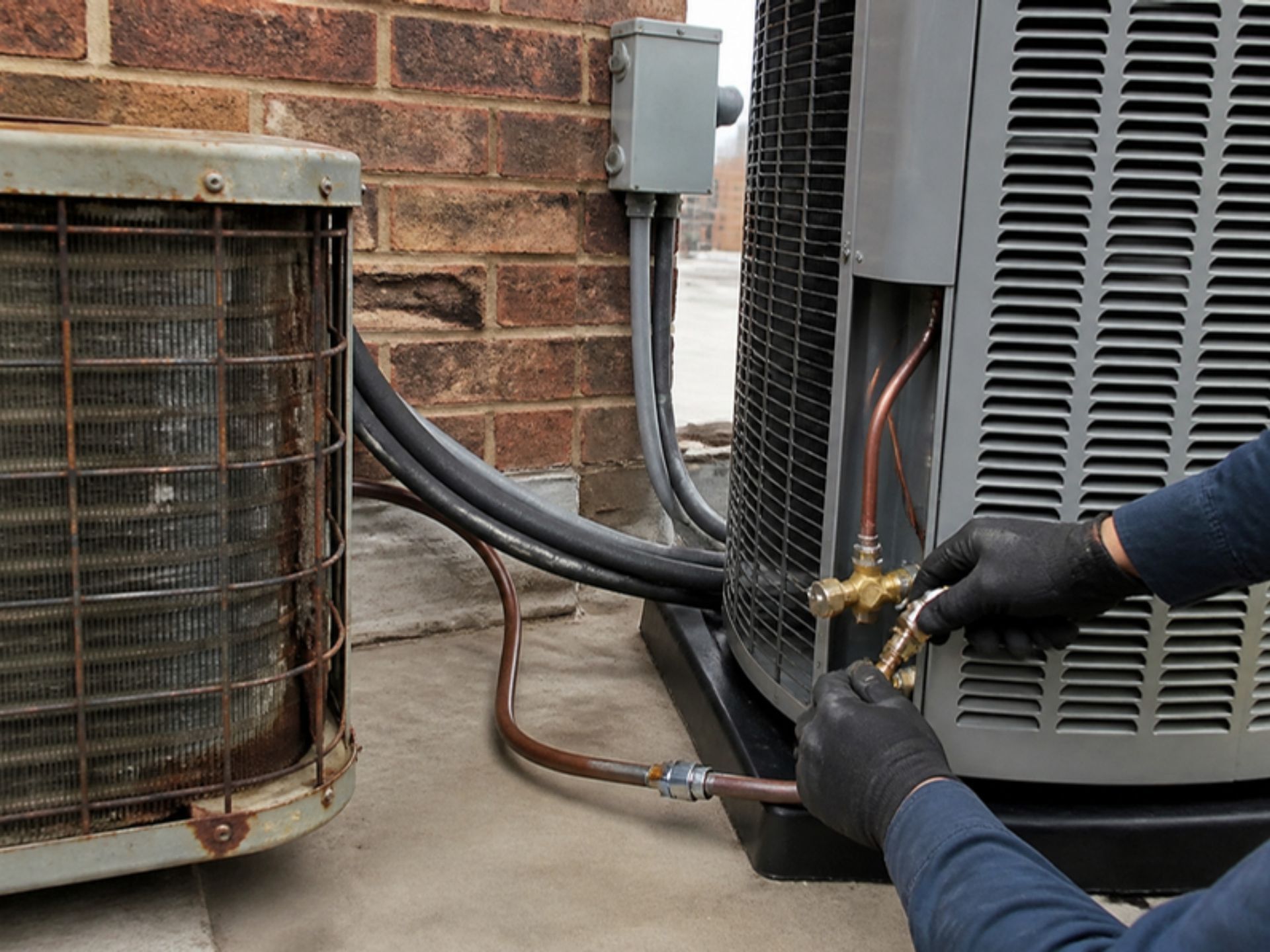
Aging condensers, air handlers, and furnaces in offices and retail spaces are replaced with matched systems using current refrigerants, with line sets evaluated, flushed, or replaced as the new equipment requires.
Worker installing ductwork in a ceiling, wearing a hooded jacket and using tools near exposed pipes
HEAT PUMP RETROFITS
Gas to Heat Pump Rooftop Conversions

Replacing gas-electric rooftop units with heat pump models can eliminate on-site combustion and simplify equipment. We review electrical capacity, winter heating demand, and backup heat needs carefully before recommending the switch.
Hand using a drill to install an electrical box on a wall, with a level above it
MAKEUP AIR
Makeup Air Unit Replacement

Worn makeup air units in restaurants and kitchens are replaced with properly sized, tempered units interlocked with exhaust hoods, restoring building pressure balance and comfortable, safe working conditions for the crew behind the line.
HVAC technician replacing a furnace filter in a home utility room
CONTROLS UPGRADES
Controls Modernization

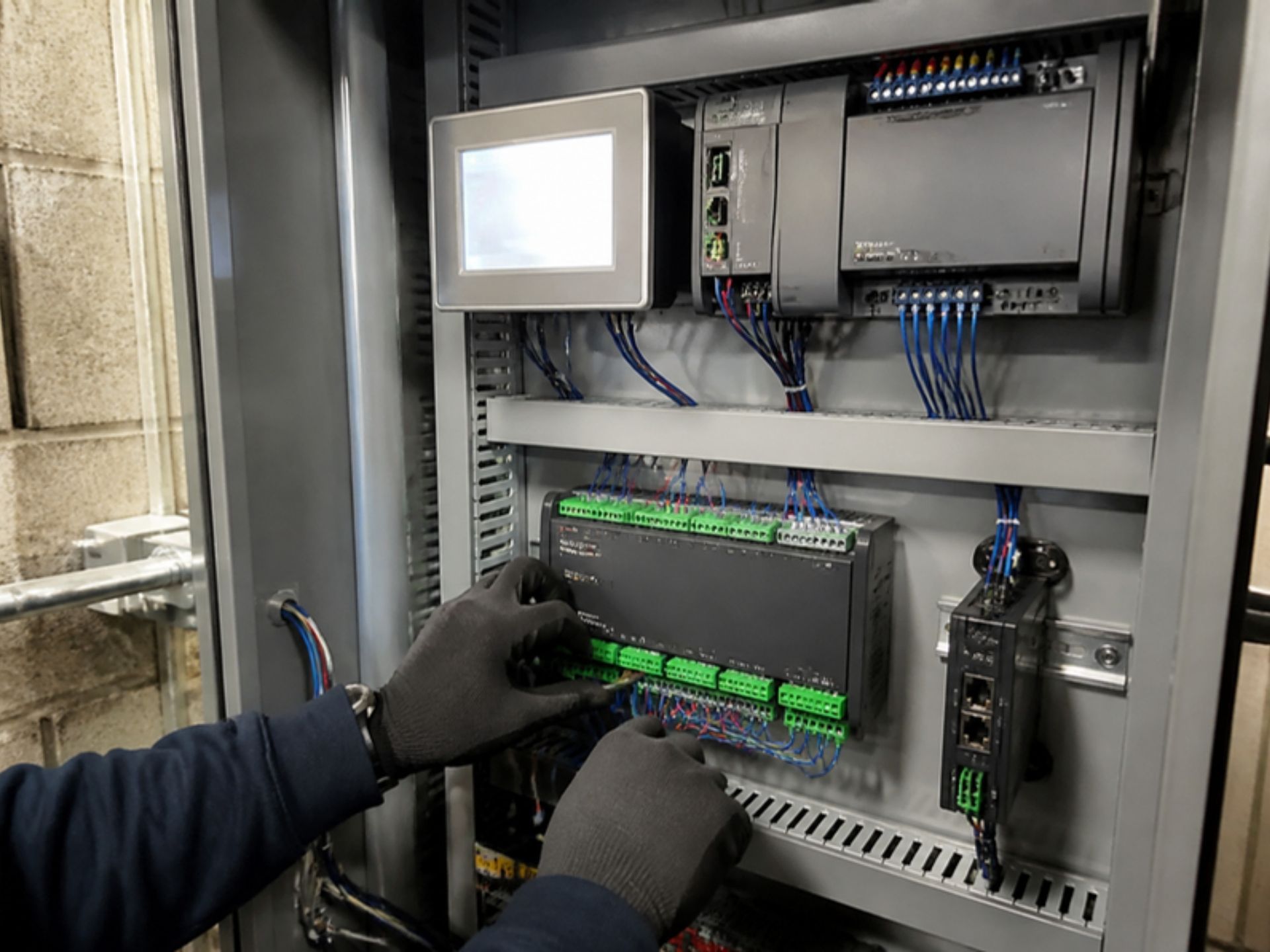
Outdated thermostats and control panels are replaced with programmable or networked controls during equipment replacement, adding scheduling, remote monitoring, energy tracking, and alarms across every unit in the building, all from one screen.
Short black horizontal line on a white background

Real Reviews · Real Customers

WHAT OUR CLIENTS SAY.

Owners and property managers who replaced commercial equipment with us describe clear planning, well-run crane days, and minimal disruption to tenants and customers. Their reviews often mention noticeably lower utility bills and far fewer service calls after the new units went in.
Short black horizontal line on a white background
FAQ

FREQUENTLY ASKED QUESTIONS.

Commercial replacement involves timing, logistics, and capacity decisions that affect a building for years. These answers cover replacement order, curbs, phasing, controls integration, cranes, temporary cooling, heat pumps, and disposal.

    Which rooftop units should be replaced first in a multi-unit building?

    Start with units that are oldest, use phased-out refrigerant, need major repairs, or serve critical spaces. Maverick Ambitions HVAC ranks rooftop units in Newark, NJ by condition and risk to guide the replacement order.


    Will a new rooftop unit fit on my existing curb?

    Sometimes it fits directly, but newer units often have different dimensions. Curb adapters bridge the difference without cutting the roof, while maintaining weatherproofing and proper alignment with the existing supply and return ducts.


    Should all units be replaced at once or in phases?

    Replacing everything at once can reduce crane and mobilization costs, while phasing spreads capital spending over several budget years. The best choice depends on unit condition, cash flow, and how operations would be affected.


    Can new rooftop units connect to our existing building automation system?

    Usually, yes. Many new units offer standard communication protocols or work through compatible thermostats and interfaces. Maverick Ambitions HVAC confirms compatibility for buildings in Newark, NJ before any equipment is ordered.


    What is involved in a crane lift for a rooftop unit?

    A crane lift requires crane booking, street or sidewalk permits, a safe pick zone, and coordination with building management. The old unit comes down and the new one goes up, often within a few hours.


    Can temporary cooling be provided during a replacement?

    Yes. Portable spot coolers or rental units can keep critical areas comfortable while equipment is swapped, especially server rooms, kitchens, or medical spaces where even a short outage creates real problems.


    Should gas rooftop units be replaced with heat pump units?

    Heat pump rooftop units can cut gas use and add efficient heating, but they need adequate electrical capacity and sizing for winter loads. A review of heating demand determines whether backup heat is needed.


    What happens to old commercial equipment and refrigerant?

    Refrigerant must first be recovered by EPA-certified technicians, and only then is the unit dismantled. The equipment is then hauled away, with metals and components recycled whenever possible, rather than abandoned on the roof.


    Black horizontal line on a white background
    HOW WE WORK

    FROM ASSESSMENT TO NEW UNITS RUNNING, HERE IS THE PROCESS.

    Step-01

    WE AUDIT YOUR EQUIPMENT
    Every unit on the property is inspected for age, condition, refrigerant type, repair history, and efficiency. We document curb sizes, electrical service, gas connections, and ductwork so nothing about the replacement is left to guesswork.

    Step-02

    WE RIGHT-SIZE THE REPLACEMENTS
    Loads are recalculated for current occupancy and use, and equipment is selected to match. We also confirm structural capacity, curb compatibility, and code requirements for ventilation and economizers on each new unit going onto the roof.

    Step-03

    WE PLAN THE PROJECT
    You receive a free estimate covering equipment, curb adapters, crane lifts, electrical updates, permits, and schedule. Phasing options and temporary cooling are discussed so the plan fits your budget, your lease, and your operations.

    Step-04

    WE COORDINATE LIFT DAY
    Permits, crane booking, street access, building management, and tenant notices are arranged ahead of time. Shutdowns are scheduled during closed hours or slow periods to keep business interruption as low as possible for everyone inside.

    Step-05

    WE SWAP AND CONNECT
    Old units are disconnected, refrigerant is recovered, and equipment is lifted off the roof. New units are set, sealed to the curb, and reconnected to ductwork, power, gas, and controls before startup and testing begin.

    Step-06

    WE COMMISSION EVERY UNIT
    Each new unit is started, tested, and adjusted for airflow, refrigerant charge, gas heat, and economizer operation. We register warranties, train your staff on the new controls, and leave the roof clean and clear of debris.