Black horizontal rounded line on a white background

Commercial HVAC Repair

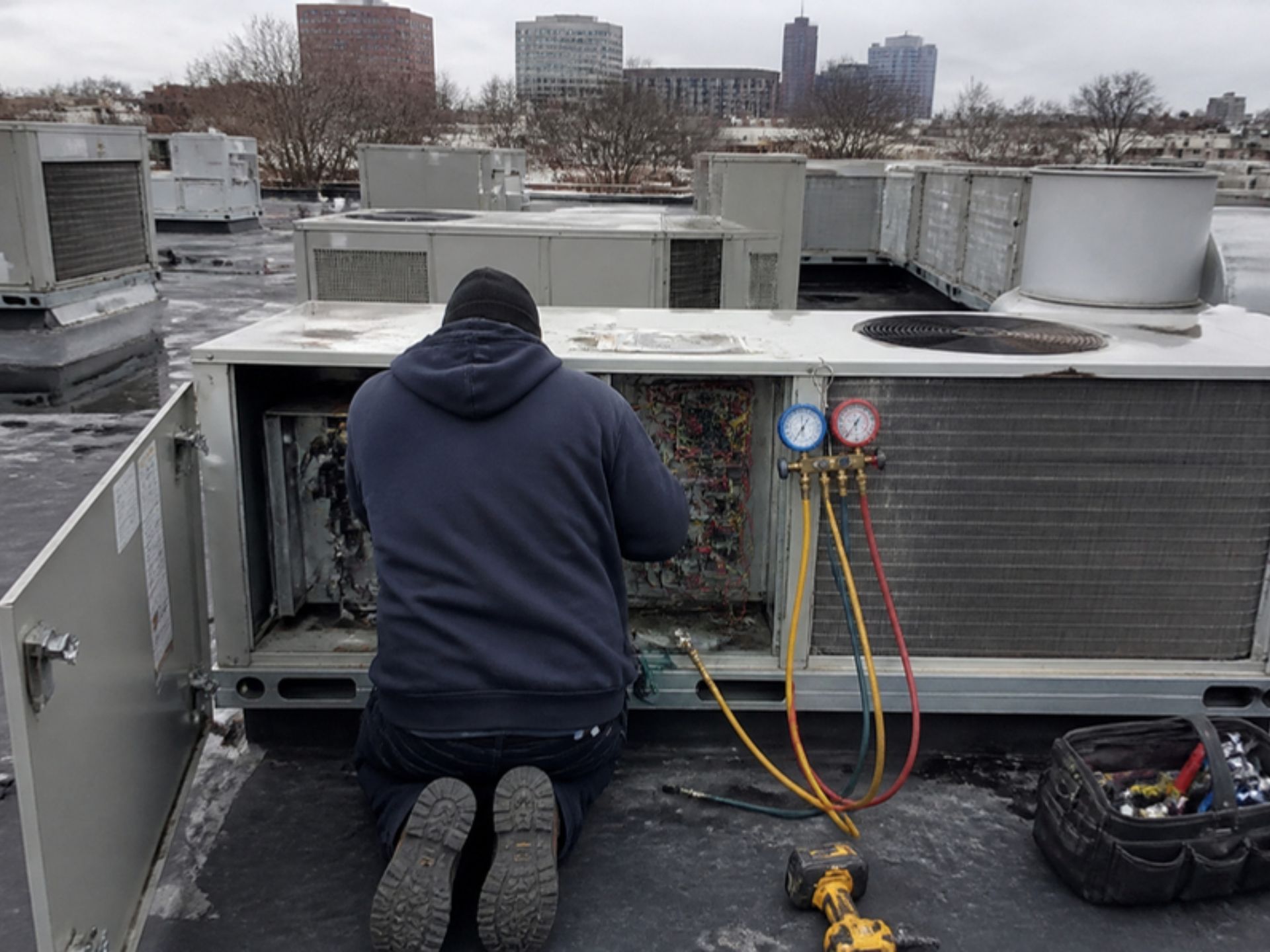
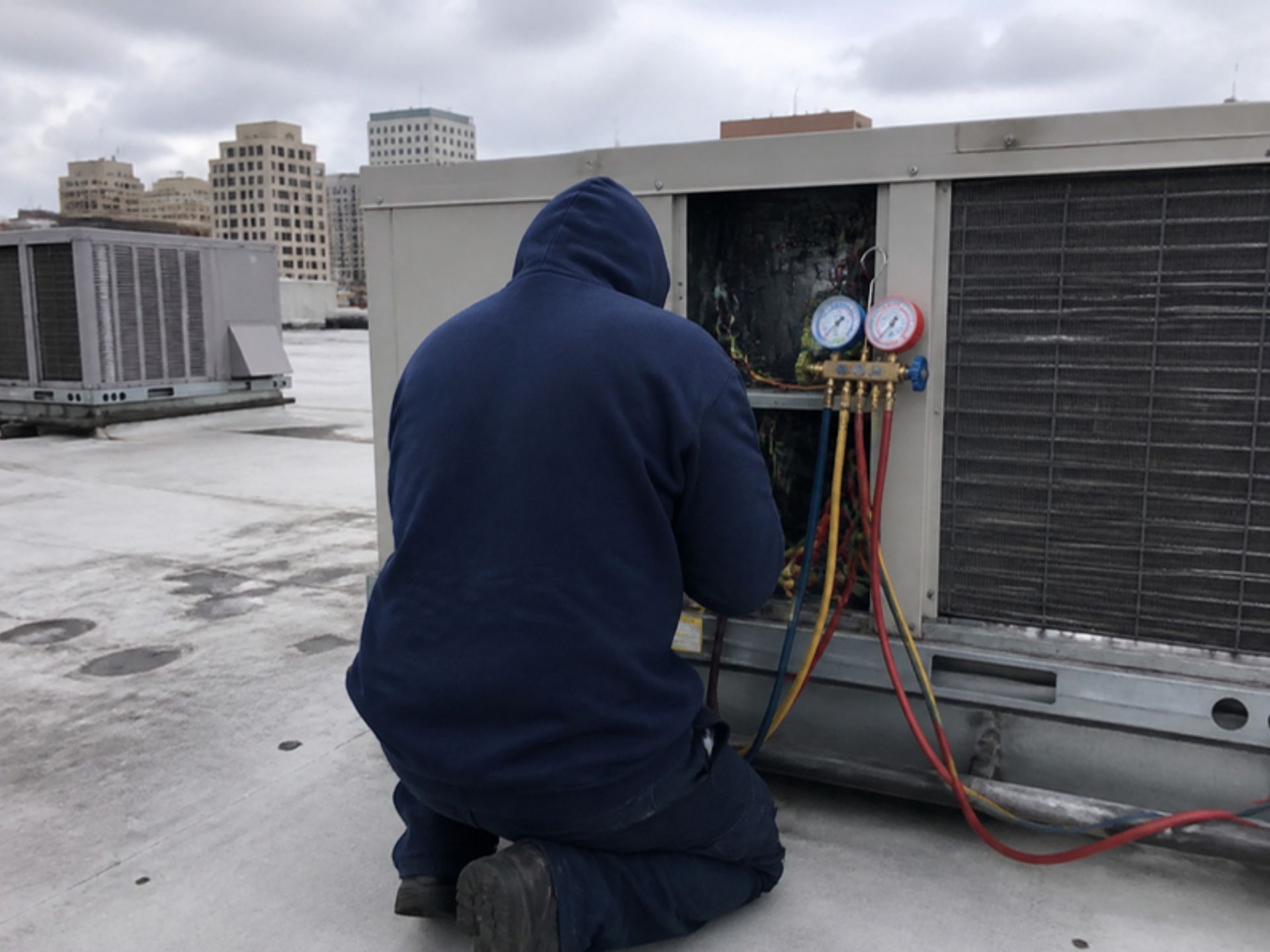
Stuck economizer dampers, slipping belts, failed condenser fan motors, and dirty coils can each leave a rooftop unit running all afternoon while the sales floor keeps getting warmer. Maverick Ambitions HVAC provides commercial HVAC repair in Newark, NJ for offices, restaurants, retail stores, and warehouses, troubleshooting compressors, gas heat sections, controls, and refrigerant circuits on rooftop units, split systems, and ductless or VRF equipment. We diagnose the failure, explain it in plain language, and get the space usable again quickly.
Technician repairing an outdoor air conditioner unit with tools and hoses
Technician repairing a white air conditioner unit with tools on a tiled floor

EVERY HOUR OF DOWNTIME SHOWS UP ON THE BOTTOM LINE.

A warm dining room empties faster, a stuffy office loses productivity, and a hot retail floor sends customers to shop somewhere else. When commercial HVAC fails, the cost is not just the repair itself. It is lost sales, unhappy staff, and sometimes spoiled inventory or locked doors. Quick, accurate repair keeps a mechanical problem from becoming a business problem. We prioritize commercial calls by impact, communicate clearly with managers on site, and focus on restoring the space first, then completing any lasting repairs on a schedule that fits your operations.
Black horizontal line on a white background.
COMMERCIAL HVAC REPAIR

KEEP THE DOORS OPEN AND THE SPACE COMFORTABLE.

A repair visit should end with the space comfortable and a clear explanation of what failed, not a vague note and a return trip next week. We test the failed circuit, identify the worn part, and replace it with components suited to demanding commercial duty cycles. When a unit has several problems, we tell you which ones need attention now and which can be planned into your maintenance budget for later.
CITY ROOFTOP UNITS WORK HARDER THAN MOST.
Rooftop equipment around Newark, NJ sits on hot, dark roofs in summer, collects grime from traffic and nearby port and airport activity, and faces freezing wind in winter. Units on older buildings may be well past their design life, patched by several different contractors over the years. We know the common failure points these conditions create and inspect them first, which shortens downtime and keeps repair costs predictable.
ROOFTOPS ARE OUR SECOND OFFICE.
Climbing a roof hatch in July or January is routine for us. In his 24 years of commercial and residential service, our licensed lead has repaired package rooftop units, ductless and split systems, and makeup air equipment from nearly every major brand and era. That breadth means faster recognition of brand-specific quirks, common control board failures, and economizer problems, and fewer trips to the supply house while your space waits for cooling.
WHAT FAST COMMERCIAL HVAC REPAIR DELIVERS.
Black gear with weather icons: flame, heat waves, snowflake, and water drops around it
Minimal Downtime
Accurate diagnosis on the first visit gets cooling or heat restored quickly, keeping sales floors, offices, and kitchens open instead of sending customers elsewhere and staff home early.
Black temperature-control icon with gear, heat waves, flame, snowflake, and water drop
Protected Inventory and Equipment
Restoring temperature control quickly protects heat-sensitive stock, electronics, and server rooms from damage during summer failures, and keeps pipes, sprinkler lines, and products from freezing during winter outages.
Black weather icon with gear, flame, snowflake, water drop, and heat waves
Lower Energy Waste
Fixing stuck economizers, slipping belts, and failed sensors stops units from running inefficiently around the clock, bringing utility bills back in line with what the building actually needs.
Black climate control icon with gear, snowflake, flame, droplet, and heat waves
Healthier Indoor Air
Repairing ventilation dampers and exhaust fans restores the outdoor air that keeps carbon dioxide, odors, and humidity under control for the employees and customers who spend hours in occupied spaces.
Black gear icon surrounded by fire, heat waves, snowflake, and water drops
Safer Gas Heat
Testing heat exchangers, gas valves, flame sensors, and venting during heating repairs protects occupants from carbon monoxide and keeps the building compliant with fire and mechanical safety requirements.
Black weather control icon with gear, flames, snowflake, water drop, and heat waves
Clear Repair Records
Documented findings and repairs help owners and property managers track each unit’s equipment history, plan budgets, and decide with confidence when replacement makes more sense than continued repair.
Black horizontal rounded bar on a white background

our services

OUR COMMERCIAL HVAC REPAIR WORK.
Commercial systems combine refrigeration, gas heat, ventilation, and controls, and any one of them can bring a space to a halt. These are the commercial repairs we perform most often for local businesses.
Hands adjusting a white ceiling fixture with a screwdriver against a concrete ceiling
COOLING FAILURES
Rooftop Unit Cooling Repair

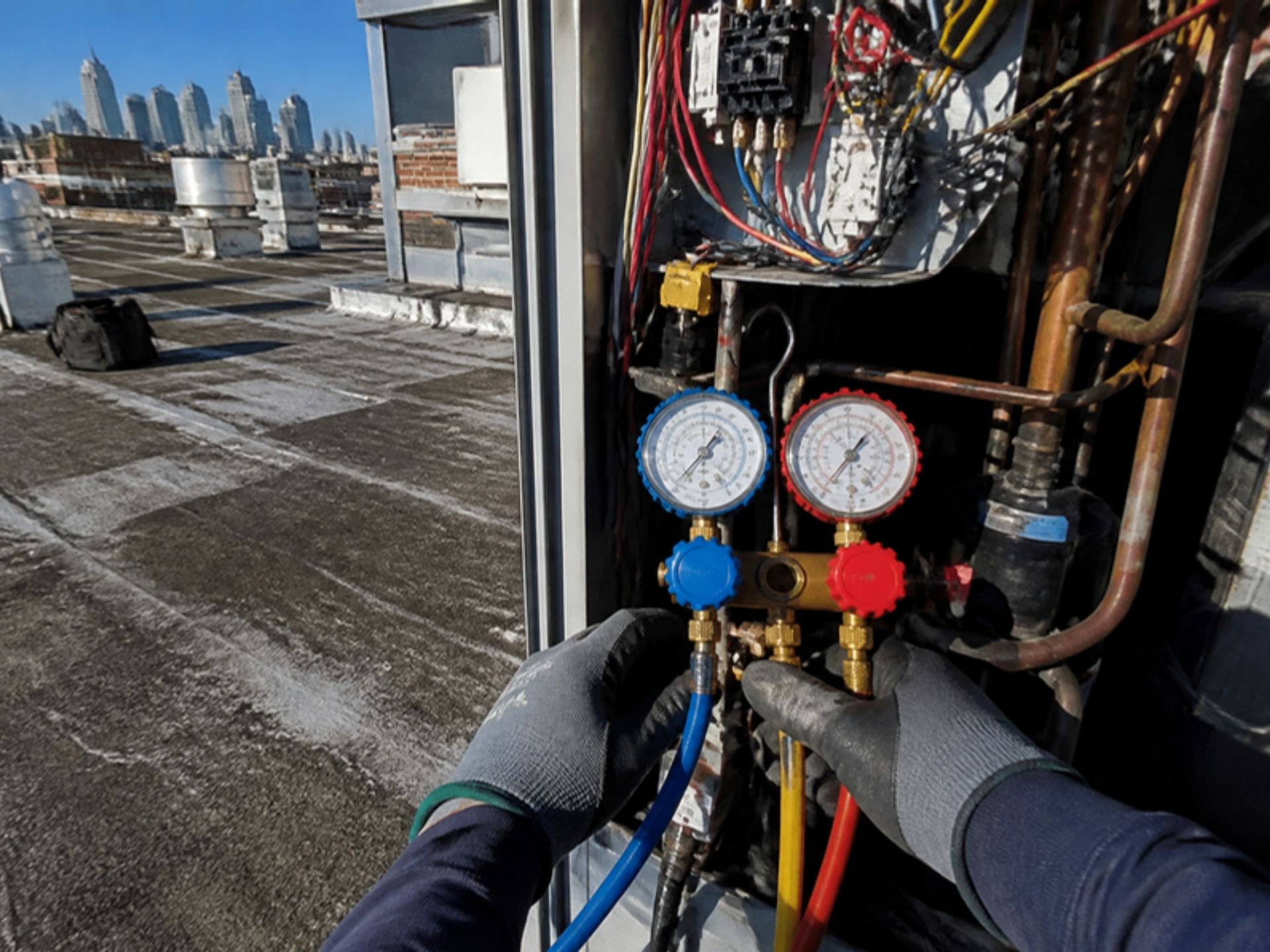
Compressors, condenser fans, contactors, capacitors, and refrigerant circuits are tested one by one when rooftop units stop cooling, and leaks are located and repaired before any refrigerant is weighed back into the system.
Technician kneeling by outdoor HVAC unit, checking controls beside a house
GAS HEAT
Commercial Gas Heat Repair

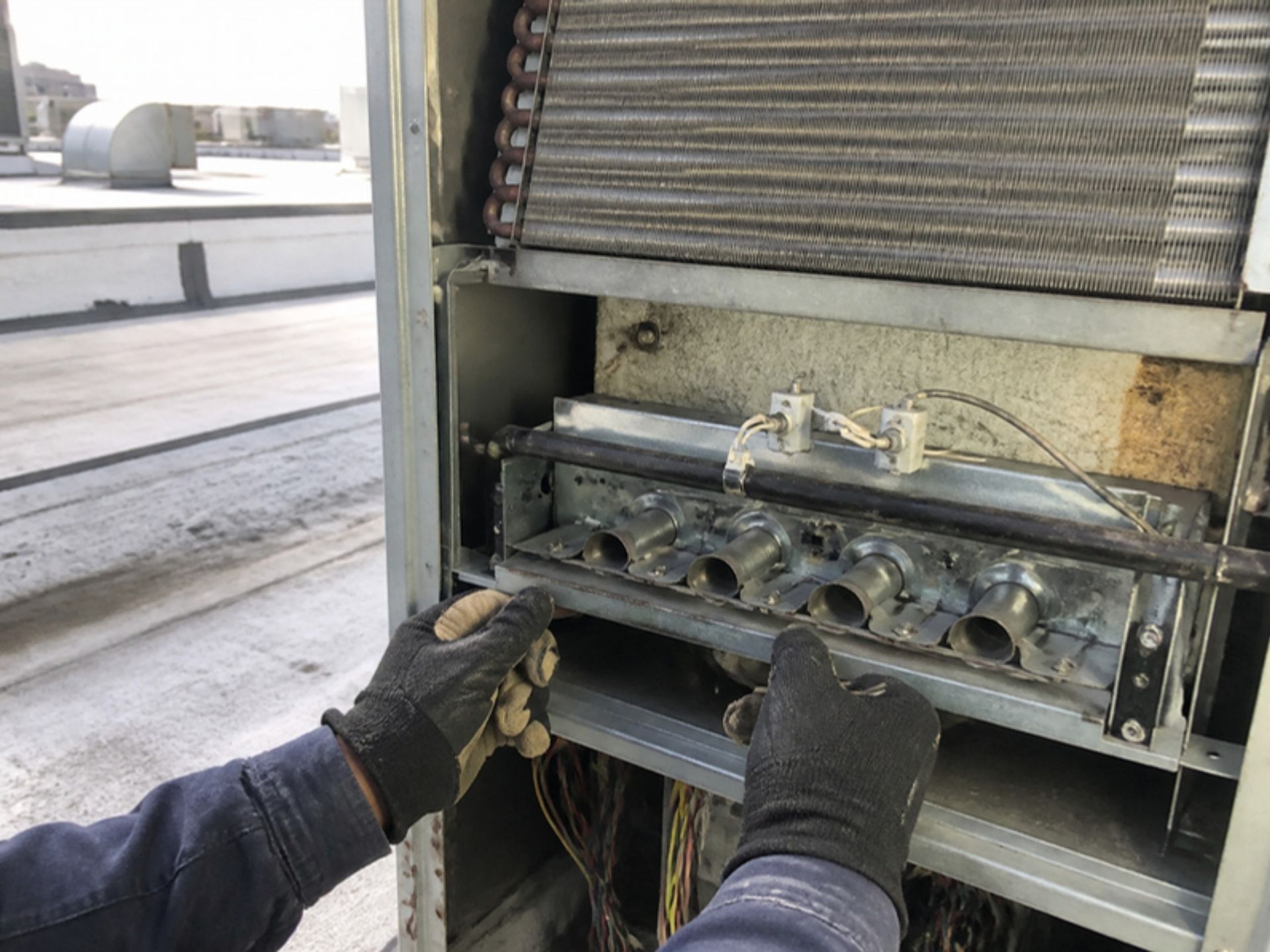
Inducer motors, igniters, flame sensors, gas valves, and limit switches on rooftop gas heat sections are tested and replaced, with heat exchangers inspected closely for cracks and rust-through before any restart.
Technician installing a wall-mounted air conditioner above a window
ECONOMIZERS
Economizer and Damper Repair

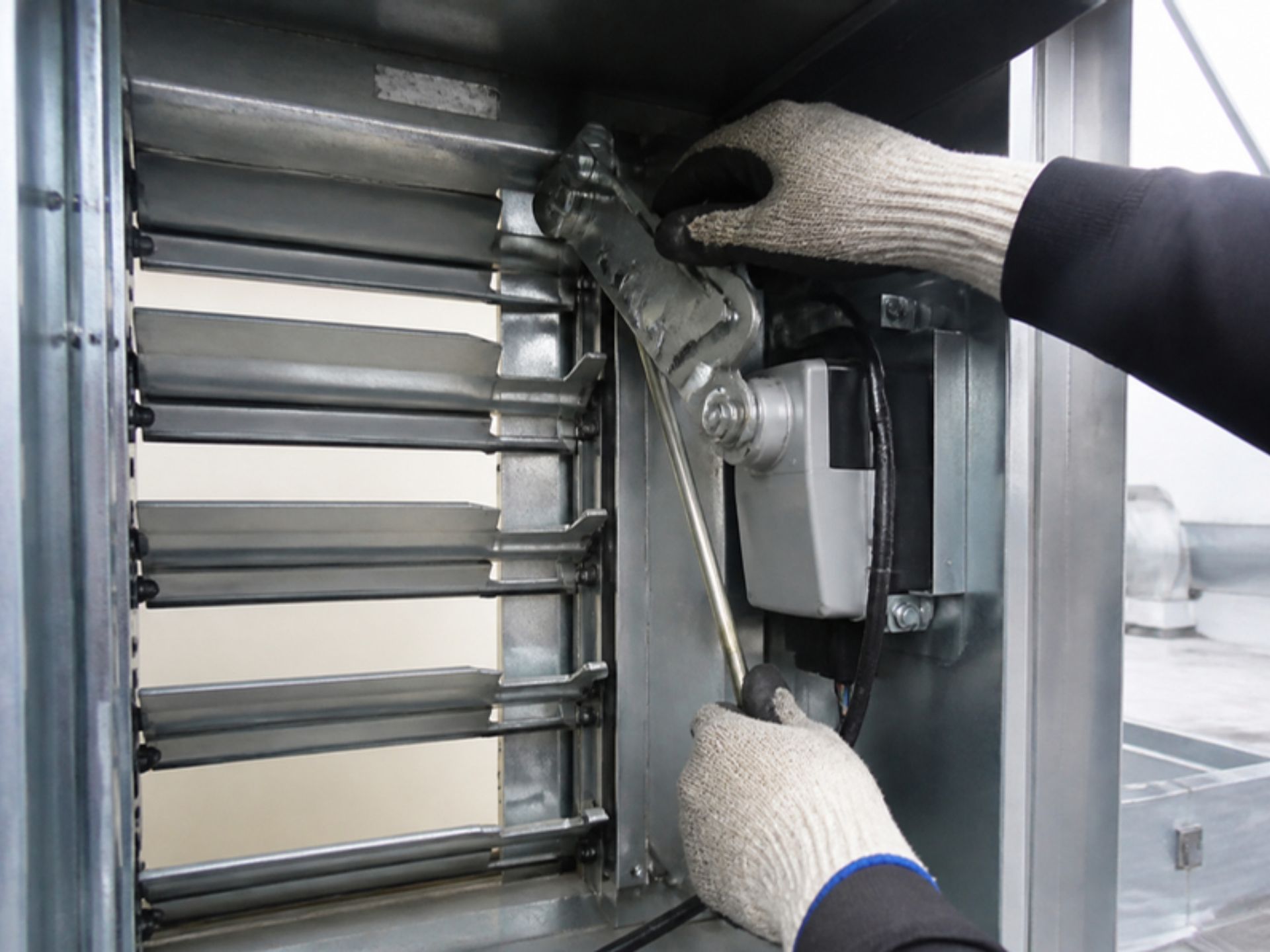
Stuck dampers, failed actuators, and faulty outdoor air sensors waste energy or flood the space with humid air. We repair linkages, actuators, and controls so free cooling works exactly as designed.
Worker installing ductwork in a ceiling, wearing a hooded jacket and using tools near exposed pipes
AIRFLOW
Blower, Belt, and Motor Repair

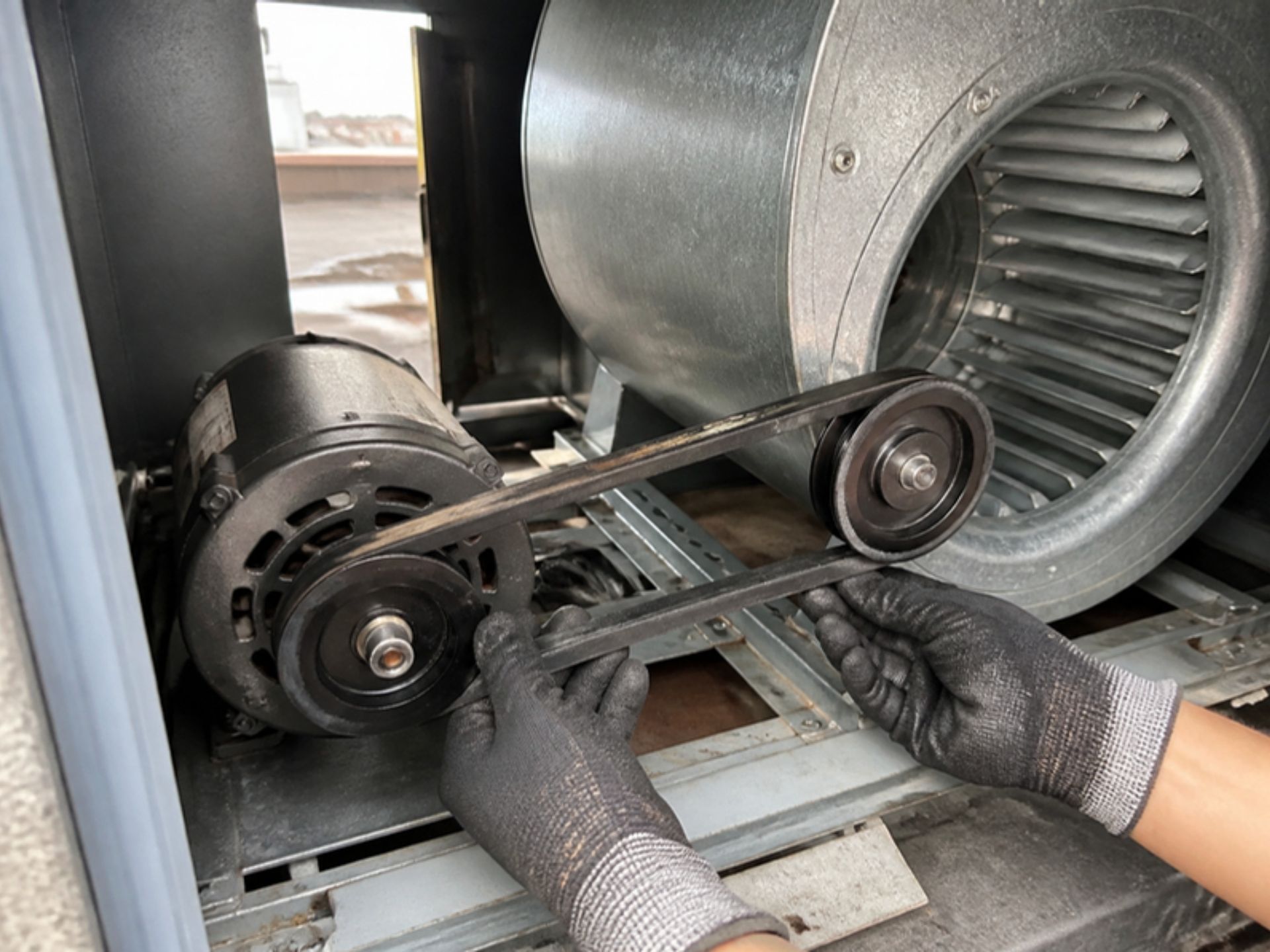
Worn belts, failing bearings, and burned-out blower motors reduce airflow and overheat equipment. We replace belts and pulleys, align drives, and install correctly rated motors built for long hours of continuous commercial duty.
Hand using a drill to install an electrical box on a wall, with a level above it
CONTROLS
Thermostat and Control Board Repair

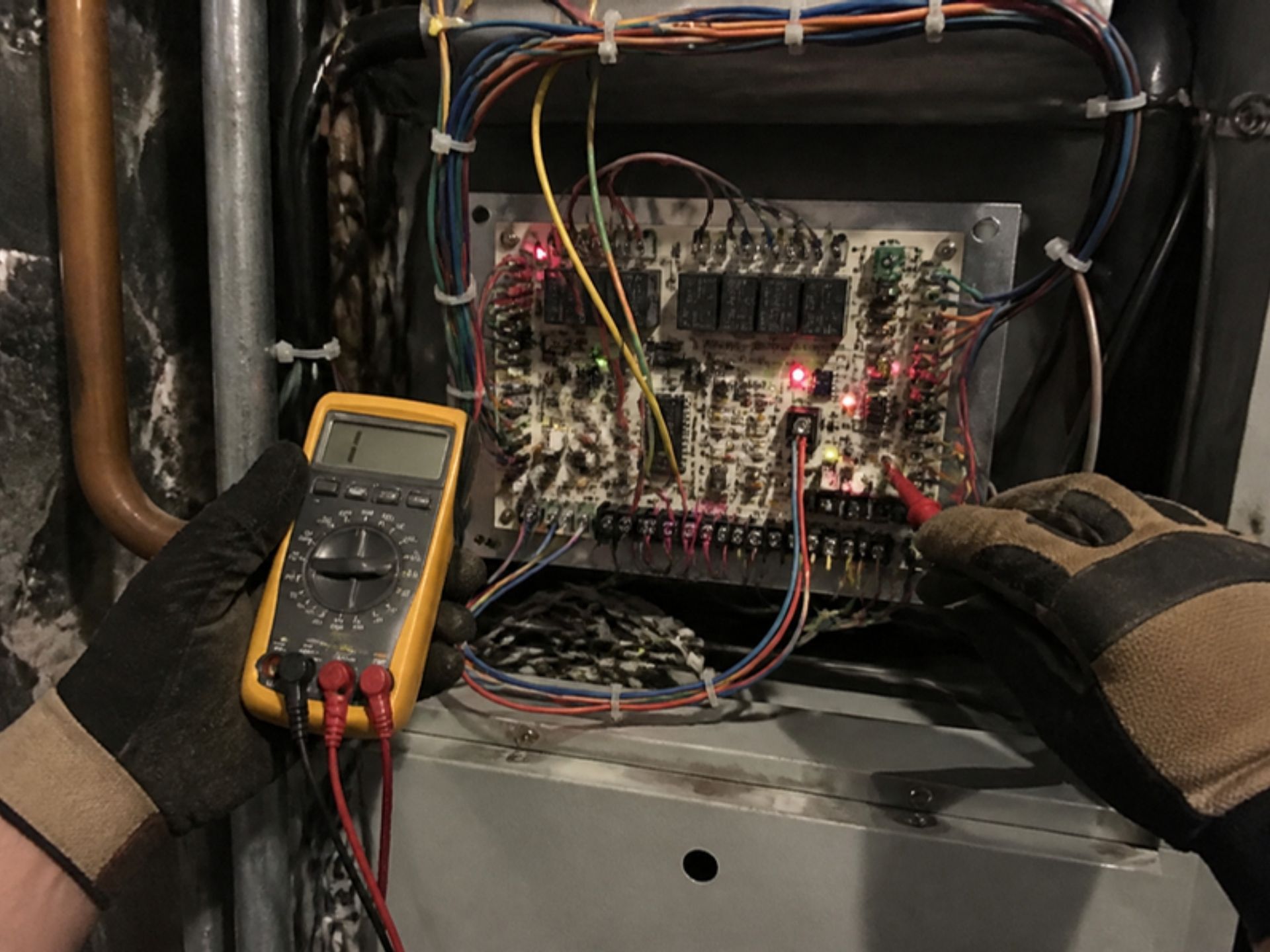
Failed boards, faulty sensors, and miswired thermostats cause units to short cycle, run constantly, or ignore schedules. We diagnose control circuits and restore reliable, programmed operation that follows your actual business hours.
HVAC technician replacing a furnace filter in a home utility room
SPLIT SYSTEMS
Commercial Split and Ductless Repair

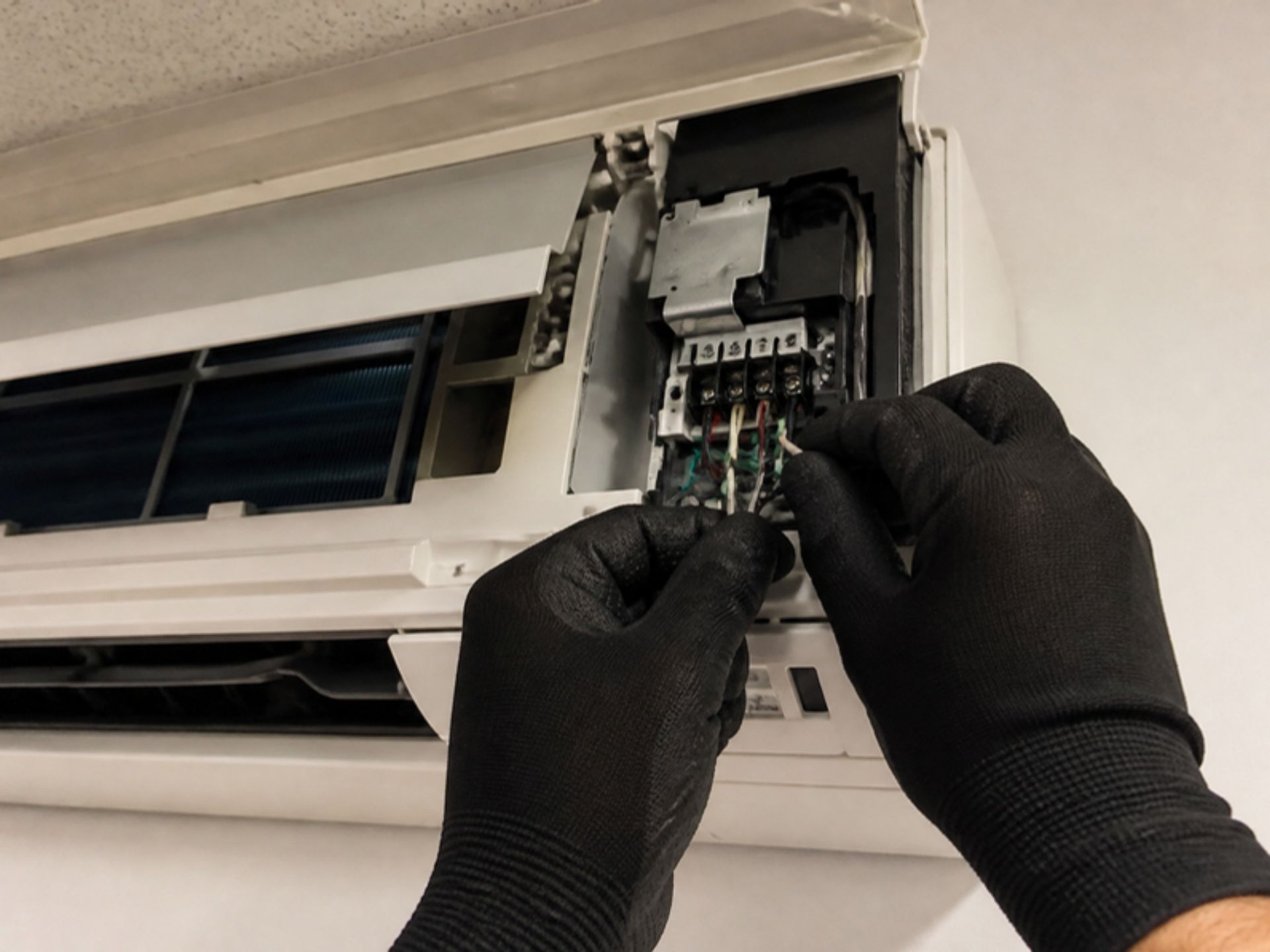
Office and retail split systems and ductless units get the same rigorous testing as rooftop equipment, covering refrigerant circuits, condensate drains and pumps, communication faults, and indoor blower problems in occupied rooms.
Short black horizontal line on a white background

Real Reviews · Real Customers

WHAT OUR CLIENTS SAY.

Business owners and facility managers describe quick responses, clear explanations delivered without technical jargon, and repairs that held up through the rest of a demanding season. Their reviews often mention our professionalism around customers and staff while working inside occupied spaces.
Short black horizontal line on a white background
FAQ

FREQUENTLY ASKED QUESTIONS.

Commercial HVAC failures tend to follow recognizable patterns. These answers explain common rooftop unit problems, pressure trips, ventilation issues, gas heat, belts, compressors, heat exchangers, and thermostat sensors.

    Why is my rooftop unit running but not cooling?

    Common causes include a failed compressor or condenser fan, low refrigerant from a leak, a stuck-open economizer, dirty coils, or a broken belt. Maverick Ambitions HVAC tests each possibility on rooftop units in Newark, NJ.


    What causes a commercial unit to trip on high pressure?

    High-pressure trips usually mean the condenser cannot reject heat, often because of dirty coils, a failed condenser fan, overcharged refrigerant, or air trapped in the system. Repeated trips can damage the compressor.


    Why does the building feel stuffy even when the temperature is right?

    Stuffiness often means too little outdoor air, caused by a stuck economizer damper, a failed actuator, or disabled ventilation. Carbon dioxide builds up, and people feel drowsy even at comfortable temperatures.


    Why does a rooftop unit blow cold air in heating mode?

    Common causes include gas heat that failed to light, a tripped limit switch, a failed inducer motor, or an economizer stuck open on a cold day. A fault code on the control board helps narrow the search.


    What causes a squealing noise from a rooftop unit?

    Squealing usually comes from a worn, loose, or misaligned blower belt, or from failing motor bearings. Replacing the belt and checking pulley alignment early prevents breakage and the airflow loss that follows.


    Why do compressors fail early on commercial units?

    Early failures often trace to low refrigerant, dirty condenser coils, electrical problems, liquid floodback, or short cycling from oversizing or faulty controls. Fixing those root causes protects the replacement compressor.


    Why is a cracked heat exchanger on a gas rooftop unit dangerous?

    A crack can let combustion gases, including carbon monoxide, mix with the air delivered to the building. Maverick Ambitions HVAC inspects heat exchangers during heating repairs in Newark, NJ and shuts down unsafe units.


    Why does the thermostat reading differ from how the space feels?

    The sensor may be mounted near a door, window, light fixture, or equipment that skews readings, or it may simply need calibration. Relocating or replacing the sensor often solves persistent comfort complaints.


    Black horizontal line on a white background
    HOW WE WORK

    SERVICE CALL TO RESTORED COMFORT, BUILT AROUND YOUR BUSINESS.

    Step-01

    WE GATHER THE DETAILS
    We ask which units are affected, what staff have noticed, and how the failure affects operations. That information sets priorities and helps us bring the right tools and common parts for that specific equipment.

    Step-02

    WE COORDINATE ACCESS
    Roof access, ladder or hatch locations, building contacts, and any tenant notices are confirmed before we arrive. Smooth access saves valuable time and keeps our work from disrupting the customers, tenants, or employees inside.

    Step-03

    WE DIAGNOSE ON THE ROOF
    Electrical, refrigerant, airflow, gas heat, and control circuits are tested until the failure is confirmed. We check related components as well, since one failed part often stresses others nearby in the same unit and shortens their lives.

    Step-04

    WE EXPLAIN AND PRICE
    Managers receive a clear explanation of the problem, the repair, and the price before work begins. When several issues exist, we separate urgent repairs from items that can safely be scheduled later in the season.

    Step-05

    WE REPAIR AND RESTART
    Failed components are replaced with parts rated for commercial duty, refrigerant work follows EPA rules, and safety controls stay fully functional. The unit is restarted and monitored through full operating cycles before we leave the roof.

    Step-06

    WE DOCUMENT THE WORK
    We record exactly what failed, what we replaced, and what we observed on the unit, then share recommendations for preventing repeat failures. Those notes help owners and managers plan maintenance and future capital budgets.